

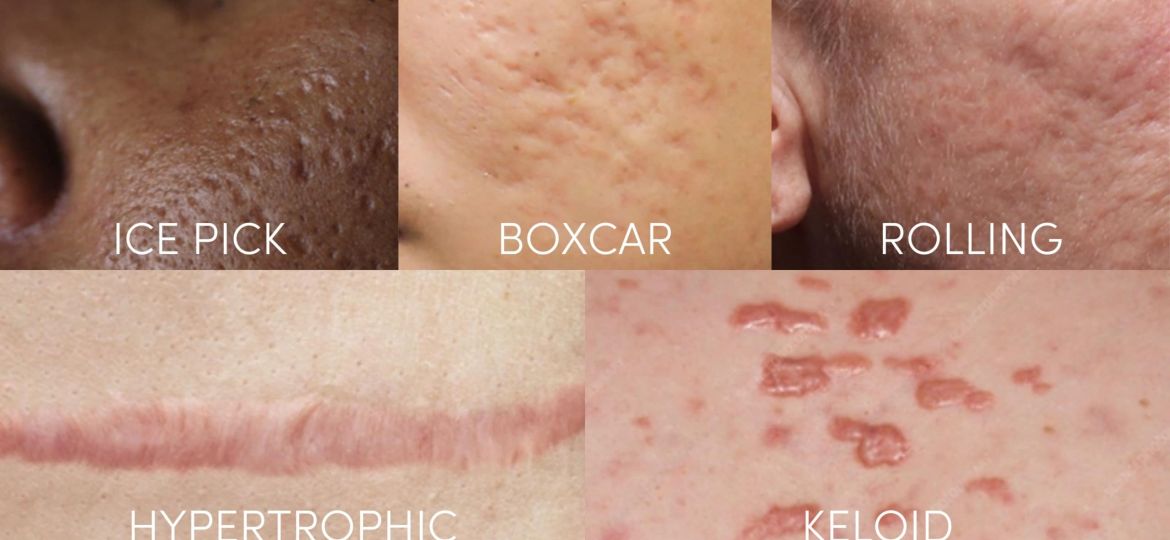
Acne scar treatment is one of the most misunderstood areas in aesthetic medicine. Many patients assume scars can be “faded” the same way acne marks do, while others expect a single laser session to completely restore smooth skin. In reality, acne scars represent permanent structural damage to the skin and require a medical, layered approach for meaningful improvement.
In Malaysia, acne scarring is particularly prevalent due to a combination of prolonged acne duration, delayed treatment, genetic factors, and skin types that are more reactive to inflammation. While modern treatments can significantly improve skin texture, understanding the science behind acne scars is essential before deciding on any procedure.
This comprehensive guide explains acne scar treatment from both a medical and patient-education perspective, helping you understand what scars are, why they persist, which treatments work, and what realistic outcomes look like, especially for Malaysian skin.
Understanding Acne Scars: More Than a Surface Problem
Acne scars are the result of damage to the dermis, the deeper layer of skin responsible for structure and strength. When acne inflammation penetrates beyond the surface, it disrupts collagen fibres, elastin, and the extracellular matrix. The body attempts to heal this damage, but when the repair process is incomplete or excessive, scars form.
Unlike normal wounds, acne inflammation often:
- Occurs repeatedly in the same area
- Persists over months or years
- Is aggravated by bacterial activity and immune response
- Is worsened by physical trauma such as picking
As a result, the healing response becomes disorganised. Instead of smooth collagen regeneration, the skin produces either:
- Insufficient collagen, creating depressions
- Excessive collagen, resulting in raised scars
This structural damage explains why acne scars do not improve significantly with time and why skincare products alone cannot correct them.
Why Acne Scars Are Common in Malaysian Skin?
Malaysia’s population largely falls within Fitzpatrick skin types III to V, which have unique healing characteristics. While these skin types age more slowly and have stronger natural pigmentation, they are also more prone to post-inflammatory hyperpigmentation and prolonged inflammatory responses.
Several local factors contribute to acne scarring:
- Long-term untreated acne during teenage and young adult years
- Humid climate increasing acne persistence
- Overuse of harsh products causing repeated irritation
- Delayed medical consultation
- Misinterpretation of pigmentation as scarring
It is common for patients to seek treatment only after scars are fully established, making intervention more complex but still possible.
Types of Acne Scars and Their Clinical Significance
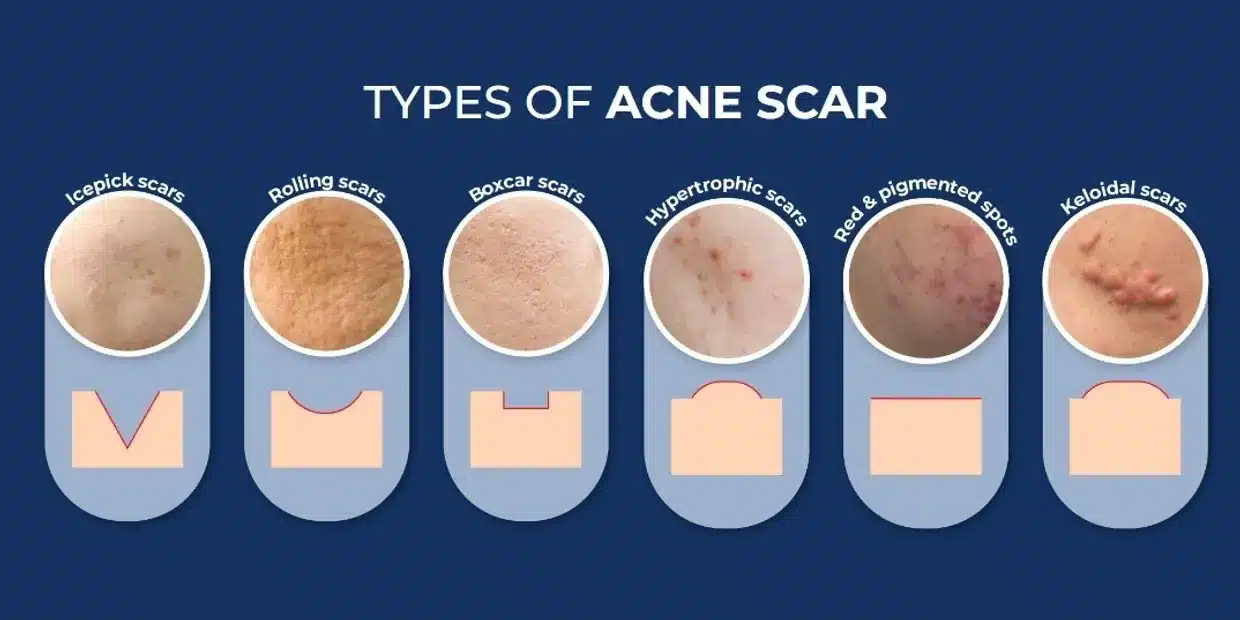
Correct identification of scar type is the foundation of effective treatment. Acne scars are not treated uniformly because each type behaves differently.
Atrophic scars (depressions in the skin):
- Ice pick scars – narrow, deep scars that extend into the dermis
- Boxcar scars – wider scars with defined edges and flat bases
- Rolling scars – undulating texture caused by fibrous bands pulling the skin downward
Raised scars:
- Hypertrophic scars – excessive collagen production, remain within lesion boundaries
- Keloid scars – extend beyond the original lesion, more common on chest, jawline, and shoulders
Post-inflammatory hyperpigmentation:
- Not true scars; involve excess melanin production rather than collagen disruption
- Often coexists with scars and may persist for months
- Responds better to topical treatments rather than procedural interventions
Key takeaway: Correct scar classification ensures appropriate treatment selection and improves outcomes.
Why Acne Scars Do Not Heal on Their Own
Once collagen architecture is altered, the skin lacks a biological signal to reorganise itself. Natural collagen turnover occurs slowly and without direction, meaning scars remain stable for many years.
Topical treatments can:
- Improve skin hydration
- Reduce mild pigmentation
- Enhance surface texture
- Support mild collagen stimulation
However, they do not penetrate deeply enough to remodel fibrotic scar tissue or release dermal tethering. This is why procedural treatments are necessary for established scars.
Core Medical Principles of Acne Scar Treatment
All effective acne scar treatments work by inducing controlled injury to the skin. This controlled injury activates the wound-healing cascade, stimulating fibroblasts to produce new collagen in a more organized pattern.
The goal of treatment is not perfection but to:
- Soften sharp scar edges
- Release fibrotic attachments
- Improve overall skin smoothness
- Enhance how light reflects on the skin
Improvement occurs gradually and continues for months after treatment due to ongoing collagen remodelling.
Medical Treatment Modalities for Acne Scars
Laser treatments:
- Create microscopic zones of thermal injury, stimulating collagen regeneration
- Ablative lasers remove columns of tissue, effective for deep scars, require longer recovery
- Non-ablative lasers heat the dermis without removing skin, providing gradual improvement with minimal downtime
Subcision:
- Mechanically breaks fibrous bands tethering the skin
- Particularly effective for rolling scars
- Often combined with resurfacing treatments for optimal results
Microneedling:
- Creates controlled micro-injuries to stimulate collagen synthesis
- Can be combined with radiofrequency (RF) energy for deeper collagen remodelling
- Improves both texture and mild volume loss
TCA CROSS:
- Applies high-concentration trichloroacetic acid to ice pick scars
- Stimulates collagen from the base of the scar
- Best for narrow, deep scars
Injectables:
- Fillers restore lost volume in depressed scars
- Platelet-rich plasma (PRP) supports tissue regeneration when combined with other treatments
- Not suitable for all scar types, used selectively
Combination therapy is often necessary because scars involve multiple mechanisms: depth, tethering, surface irregularities, and sometimes pigmentation.
Clinical Assessment and Treatment Planning
Key Factors Doctors Evaluate
- Scar type, depth, and distribution
- Skin type and pigmentation risk
- Current or recurrent acne activity
- Previous treatments and response
- Lifestyle and downtime tolerance
Defining Realistic Outcomes
- Scars improve but are rarely erased
- Multiple sessions are typically required
- Collagen continues improving for months post-treatment
- Maintenance treatments may be beneficial
Clear communication at this stage prevents unrealistic expectations and improves patient satisfaction.
Treatment Sequencing and Long-Term Planning
Acne scar treatment is rarely performed in a single session. Treatments are spaced to allow healing, collagen formation, and skin recovery.
A well-planned sequence:
- Addresses structural release before resurfacing
- Uses conservative energy settings for darker skin types
- Provides adequate recovery time between sessions
Collagen remodelling continues for months, so visible improvement often extends beyond the treatment period.
Recovery, Downtime, and Aftercare
Recovery varies depending on the treatment intensity. Typical post-treatment reactions:
- Mild redness, swelling, or peeling (1–7 days)
- Longer downtime for ablative lasers (up to 2 weeks)
- Temporary sensitivity to sunlight
Malaysia-specific considerations:
- Year-round UV exposure requires strict sun protection
- Humidity may increase skin irritation, so cooling and gentle care is recommended
- Skincare routine should be minimal, focusing on hydration and barrier protection
Following post-treatment instructions significantly influences final results.
Safety Considerations for Malaysian Skin
Patients with Fitzpatrick skin types III–V are more prone to post-inflammatory hyperpigmentation if treatments are too aggressive. Safety strategies include:
- Conservative device settings
- Appropriate treatment spacing
- Strict photoprotection
- Avoidance of aggressive exfoliation during healing
When performed by trained professionals, acne scar treatments are safe and predictable.
Why Combination Therapy Is Often Necessary
Acne scars involve multiple mechanisms:
- Collagen loss (depressions)
- Fibrotic tethering (rolling scars)
- Surface irregularities
- Pigmentation changes
No single treatment addresses all aspects. Combining therapies allows targeted correction for each mechanism, producing smoother, more natural results.
When to Seek Professional Treatment
Professional evaluation is recommended when scars:
- Persist despite consistent skincare
- Affect skin texture visibly
- Have been present for months or years
- Impact confidence or social comfort
Early intervention reduces the number of sessions required and improves outcomes. Visting a clinic such as Revix Clinic is your ultimate plan
Conclusion
Acne scars are permanent structural changes, but modern treatments can significantly improve texture and appearance. Skincare alone cannot fix deep scars, and combination therapy is usually necessary for optimal results.
Understanding scar biology, treatment principles, and realistic expectations empowers patients to make informed decisions. With professional guidance, patience, and a structured treatment plan, acne scars can be managed safely and effectively.
Frequently Asked Questions
1. Can acne scars be completely removed?
Acne scars cannot be completely removed because they involve permanent structural changes in the skin. However, medical treatments can significantly improve skin texture and depth of scars by stimulating collagen remodelling. Most patients experience noticeable improvement rather than total elimination of scars.
2. What is the best acne scar treatment?
There is no single “best” acne scar treatment. The most effective approach depends on the type, depth, and severity of scars, as well as skin type. In Malaysia, combination treatments such as subcision, laser therapy, and RF microneedling are commonly used to achieve safer and more consistent results.
3. How many sessions are needed to see improvement in acne scars?
Most patients require multiple treatment sessions, typically spaced several weeks apart. Improvement occurs gradually as collagen continues to remodel over time, and visible results may continue to develop for several months after the final session.
4. Are acne scar treatments safe for darker skin tones?
Yes, acne scar treatments are safe for medium to darker skin tones when performed by trained medical professionals. Treatment settings are adjusted to reduce the risk of post-inflammatory hyperpigmentation, and proper post-treatment care is essential for safe healing.
5. Can skincare products or creams treat acne scars?
Skincare products can improve skin tone, hydration, and mild pigmentation, but they cannot repair deep acne scars. This is because topical products do not penetrate deeply enough to remodel damaged collagen within the dermis. Procedural treatments are required for structural scar improvement.
6. When should I see a doctor for acne scar treatment?
You should consider professional assessment if acne scars persist despite skincare, affect skin texture visibly, or impact your confidence. Early evaluation allows for more effective treatment planning and may reduce the number of sessions required for improvement.
