

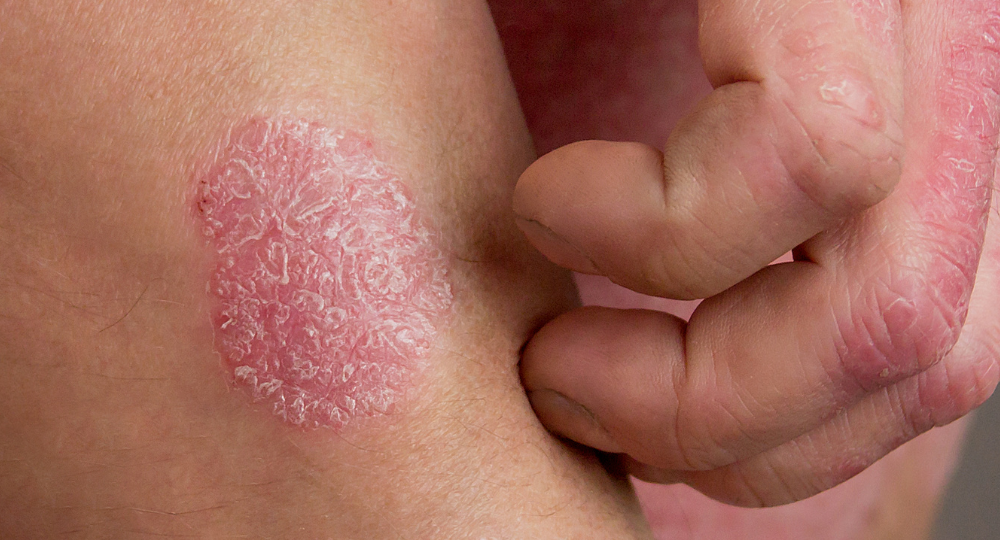
Eczema, particularly atopic dermatitis, has seen a significant increase in prevalence in Malaysia. This chronic skin condition, characterized by inflammation, dryness, and itching, affects individuals of all ages. To address this growing concern, we present a comprehensive guide to understanding and managing atopic dermatitis effectively.
What is Atopic Dermatitis?
Atopic dermatitis is a chronic inflammatory skin condition marked by:
- Dryness: The skin loses its ability to retain moisture, leading to persistent dryness.
- Itching: A hallmark symptom that often worsens at night, disrupting sleep.
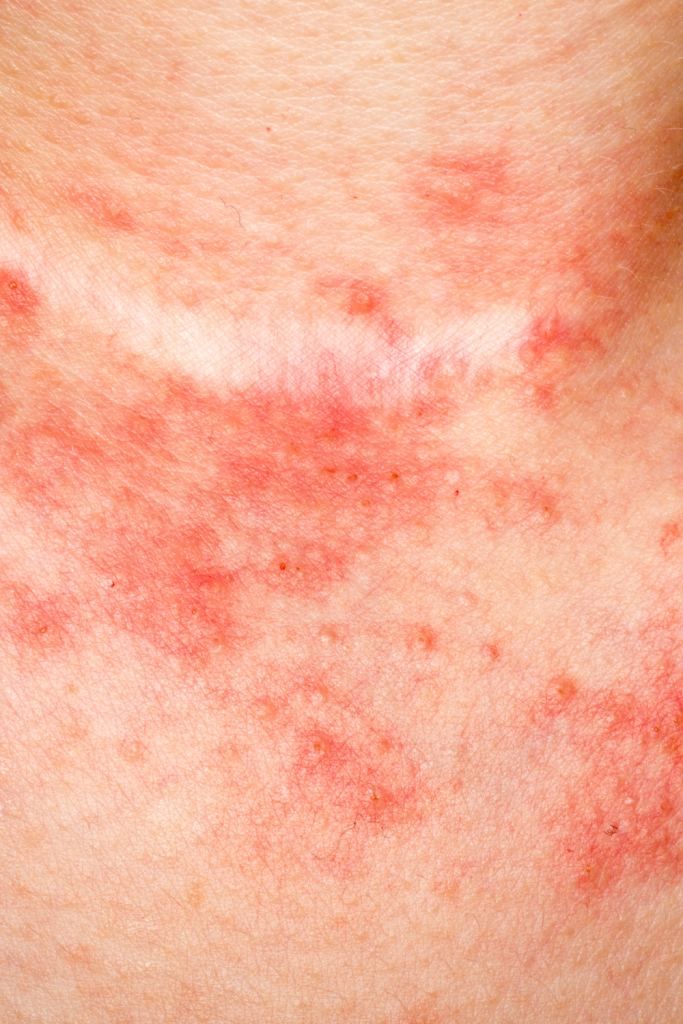
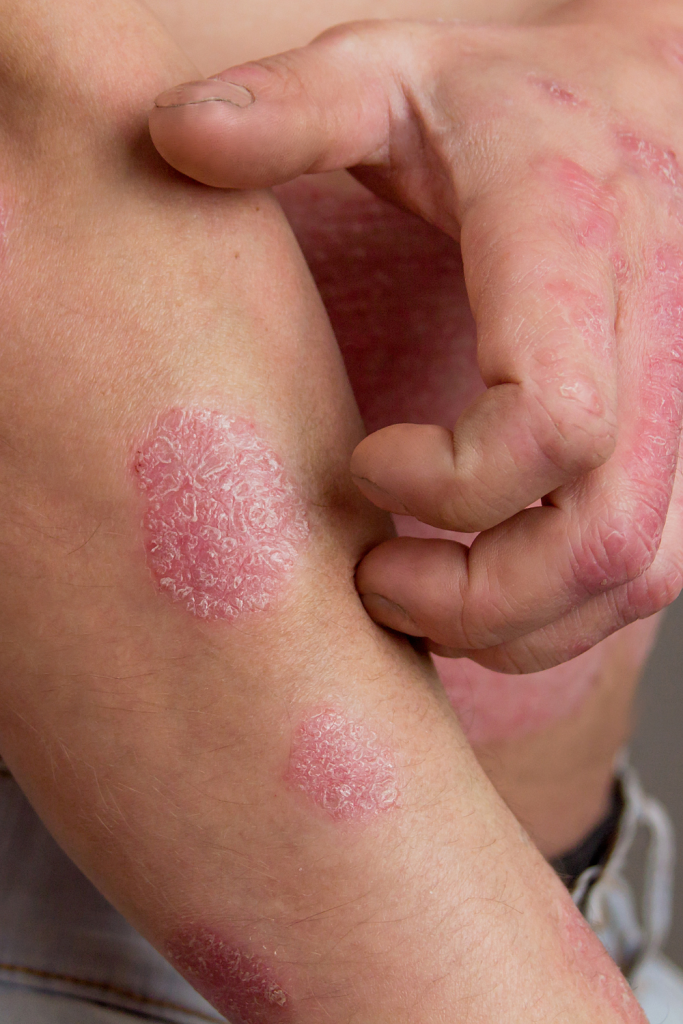
- Inflammation: Red, swollen, and sometimes cracked or weeping skin lesions.
- Flare-Ups: Episodes of exacerbated symptoms triggered by environmental or internal factors.
Eczema
Why is Eczema Increasing in Malaysia?
Environmental Factors
- Urbanization: Increased exposure to pollutants and allergens in urban areas.
- Climate: Malaysia’s humid climate exacerbates sweat retention and skin irritation.
- Dietary Changes: Higher consumption of processed foods and reduced intake of anti-inflammatory nutrients.
Genetic Predisposition
A strong family history of eczema, asthma, or hay fever increases susceptibility to atopic dermatitis.
Lifestyle Changes
- Frequent use of harsh soaps and detergents.
- Stress-related triggers due to modern fast-paced lifestyles.
Recognizing the Symptoms of Atopic Dermatitis
- Infants and Toddlers: Red, crusty patches on cheeks, scalp, or limbs.
- Children: Dry, scaly skin with lesions commonly in flexural areas (elbows, knees).
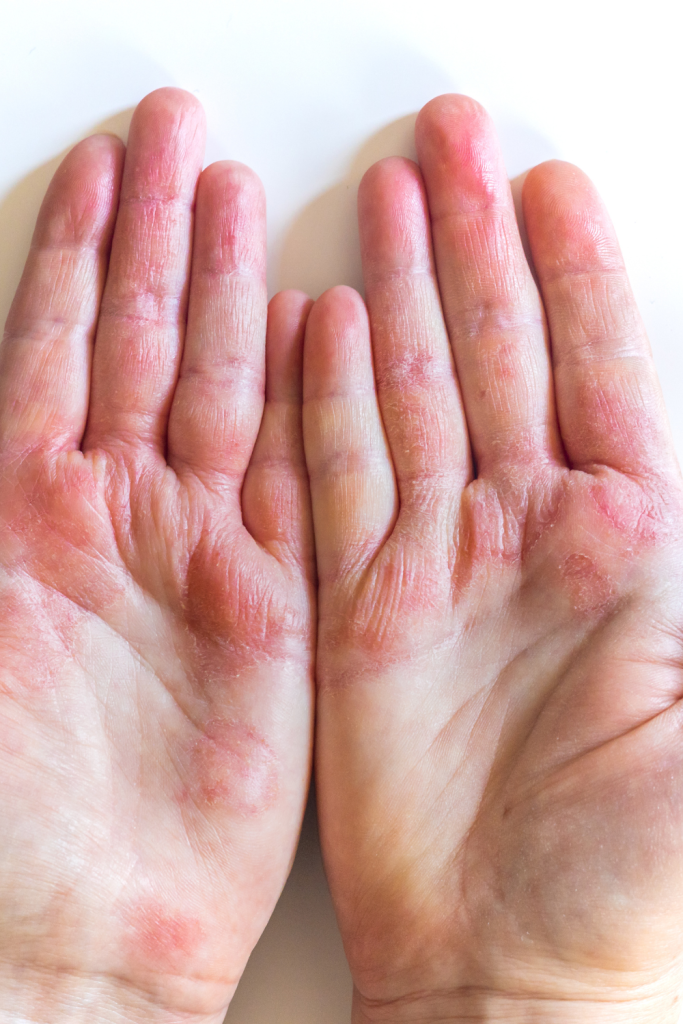
- Adults: Thickened skin, intense itching, and lesions often on the hands, face, or neck.
Effective Management Strategies
1. Skin Hydration
Maintaining skin moisture is critical to preventing flare-ups. Use fragrance-free emollients and apply immediately after bathing to lock in moisture.
2. Avoiding Triggers
- Common Triggers: Dust mites, pollen, pet dander, certain foods, and stress.
- Protective Measures: Regular cleaning, hypoallergenic bedding, and allergen-reducing air filters.
3. Medical Treatments
- Topical Corticosteroids: To reduce inflammation during flare-ups.
- Calcineurin Inhibitors: Suitable for long-term management of sensitive areas like the face.
- Antihistamines: For itch relief.
- Biologics: Newer treatments targeting specific immune pathways.
4. Dietary Considerations
Incorporate anti-inflammatory foods such as:
- Omega-3-rich fish (salmon, mackerel)
- Leafy greens (spinach, kale)
- Probiotic-rich foods (yogurt, kefir)
5. Stress Management
Mindfulness techniques, yoga, and adequate sleep can reduce stress-induced flare-ups.

Our Unique Approach to Eczema Treatment
At our clinic, we believe in addressing eczema holistically and empowering the skin to rebuild its own healing capabilities. Our unique treatment approach focuses on:
- Building Gut Health: A healthy gut microbiome is essential in managing inflammation and reducing eczema symptoms. We provide tailored probiotic and dietary recommendations to strengthen gut health.
- Enhancing Natural Skin Recovery: Unlike conventional treatments that only manage symptoms, we focus on empowering the skin to restore its natural healing mechanisms. By using advanced skincare solutions and natural interventions, we strengthen the skin’s ability to rebuild and recover.
- Reducing Body Inflammation and Balancing Hormones: Chronic inflammation and hormonal imbalances can exacerbate eczema. Our integrative approach identifies and addresses these underlying factors, promoting overall skin and systemic health.
- Reinforcing the Skin Barrier: We prioritize repairing and protecting the skin’s natural barrier, reducing susceptibility to environmental triggers and ensuring long-term relief.
- Comprehensive and Personalized Care: Each treatment plan is customized to the individual’s specific needs, incorporating medical treatments, lifestyle adjustments, and preventative strategies. Our integrative approach ensures that every aspect of health is considered, leading to sustainable improvements.
Preventing Eczema in Children
Breastfeeding
Exclusive breastfeeding for at least six months may reduce the risk of atopic dermatitis in infants.
Probiotics
Probiotic supplements during pregnancy and early childhood can support a healthy gut microbiome, potentially lowering eczema risk.
Gentle Skincare
- Use mild, fragrance-free cleansers.
- Bathe infants in lukewarm water for short durations.
When to Consult a Doctor
Persistent or severe symptoms warrant evaluation by a doctor. Indicators include:
- Infected lesions (oozing, yellow crusts).
- Poor response to over-the-counter treatments.
- Impact on quality of life (sleep disruption, psychological distress).
Supporting Individuals with Atopic Dermatitis
Living with eczema can be challenging. Emotional support and education about the condition can significantly improve the quality of life for affected individuals. Encourage open communication and provide resources for understanding and managing this chronic condition.
If you are looking for effective eczema treatment that focuses on empowering your body’s natural healing, do not hesitate to contact us at Revix Clinic! We combine advanced care with personalized solutions to help you achieve long-term relief.
Contact Revix Clinic today!
📞 Phone: +6017-7815237
📧 Email: ask@revixclinic.com
🌐 Website: https://revixclinic.com/
