


The most effective skin sagging treatment in your 30s is not a treatment at all. It is prevention that starts early, before visible laxity sets in.
Once collagen and elastin decline significantly, no cream, serum or single procedure can fully reverse it.
That is why your 30s matter so much. This is the window where small, consistent actions protect the structure you still have, rather than trying to rebuild what has already been lost.
Key Takeaways
- Collagen production begins declining gradually from your mid to late 20s, which means early signs of sagging can appear well before your 40s
- Sunscreen and topical actives like retinoids and vitamin C support collagen but cannot lift skin that has already lost significant structure
- Early intervention options such as radiofrequency microneedling and HIFU are generally more effective and less invasive when started before laxity becomes advanced
- Sudden sagging, or sagging with swelling, pain or rash, should be assessed medically rather than treated as a purely cosmetic concern
Why Skin Changes Before You Notice
Most people assume sagging is a problem for their 50s. By the time it becomes visible, the underlying changes have usually been happening for years.
Collagen and elastin, the proteins that keep skin firm and bouncy, begin declining gradually from the mid to late 20s onwards. This is a natural part of aging, not a sign that something has gone wrong.
Cumulative sun exposure speeds this up considerably. UV rays break down existing collagen and interfere with the skin’s ability to produce new collagen, which is why sun protection is consistently highlighted as one of the most important preventive steps available.
Other contributing factors include repeated weight fluctuations, smoking, chronic stress and the natural facial fat and volume loss that begins subtly in your 30s.

The Cream-Lifting Myth Debunked
A lot of skincare marketing implies that the right cream can “lift” or “firm” sagging skin dramatically. This is misleading.
Topical products work on the surface layers of skin. Sagging happens deeper, in the dermis and the connective tissue beneath it, an area creams and lotions simply cannot reach in meaningful amounts.
Ingredients like retinoids, vitamin C and peptides genuinely support collagen synthesis and can slow the rate of further breakdown, which matters a great deal in your 30s.
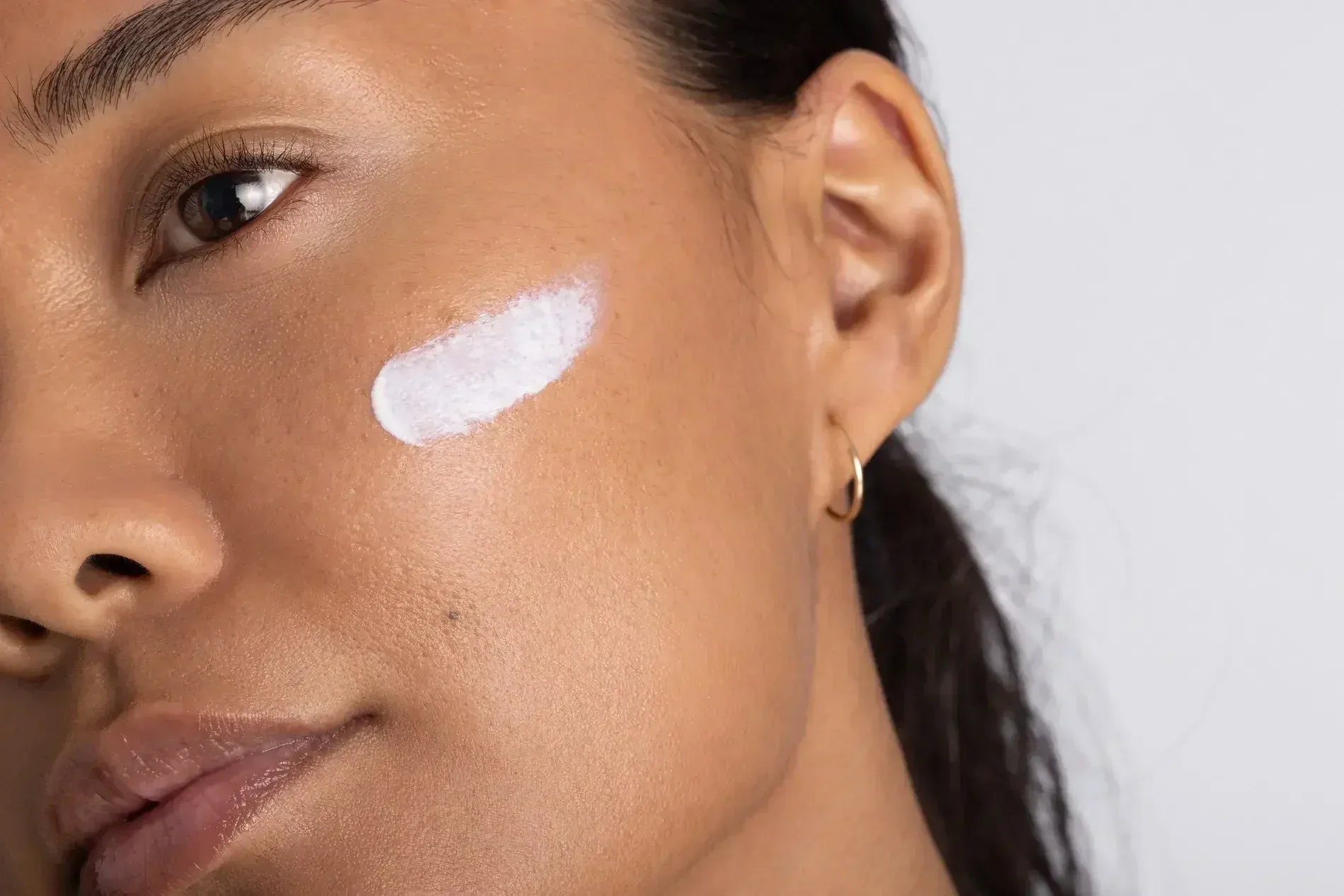
The key distinction is this: topical skincare can help preserve what you have. It cannot restore what has already sagged.
Prevention That Actually Works
Prevention is not glamorous, but it is where the real value lies. A few consistent habits do more for long-term skin firmness than any single procedure.
Daily Broad-Spectrum Sunscreen
Consistent use of SPF 30 or higher is considered one of the single most protective habits against premature collagen breakdown. This matters even on cloudy days and indoors near windows.
Evidence-Backed Topical Actives
Retinoids, vitamin C and peptides are commonly recommended in your 30s to support collagen production before significant laxity develops. Introducing them gradually helps minimise irritation.
Protecting Against Lifestyle Accelerators
Smoking, poor sleep, high sugar intake and chronic stress all place additional strain on collagen and elastin. Addressing these factors supports skin health alongside anything applied topically.
Early Medical Consultation
A consultation in your 30s, even before you feel treatment is necessary, allows a professional to assess your skin’s current condition and flag early changes worth monitoring.
Matching Treatment to Severity
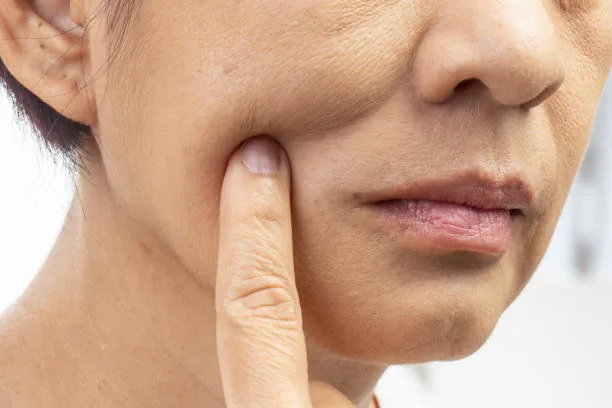
Not every stage of sagging calls for the same response. Matching the approach to the severity avoids both under-treating and over-treating.
| Stage | What It Looks Like | Commonly Considered Approach |
|---|---|---|
| Early laxity (30s) | Subtle loss of bounce, slightly less defined jawline | Sunscreen, topical actives, lifestyle adjustments, occasional non-invasive devices |
| Moderate laxity (40s) | Visible jowls, nasolabial folds, looser neck skin | Radiofrequency, HIFU, microneedling, sometimes combined with injectables |
| Advanced sagging | Significant descent of facial tissue, deep folds | Combination therapy or surgical options, guided by an in-person medical assessment |
Non-invasive options like microneedling, radiofrequency and HIFU are generally described as more effective when introduced during early laxity, rather than being used to correct sagging that has already become well established.
When Sagging Needs Medical Attention
Most skin sagging is a gradual cosmetic concern. Occasionally, it signals something that needs medical attention rather than aesthetic treatment.
Sudden sagging, especially on one side of the face, should always be assessed promptly by a doctor.
Sagging accompanied by swelling, rash, pain or chafing is another signal that the cause may not be purely age-related and warrants a proper evaluation.
This is one reason why a doctor-led assessment before starting any treatment matters, ensuring the plan actually matches what is happening beneath the surface rather than just what is visible.
Visit Revix Clinic to book a consultation and get your skin properly assessed before deciding on next steps.
