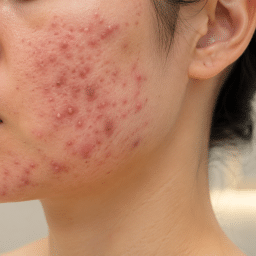
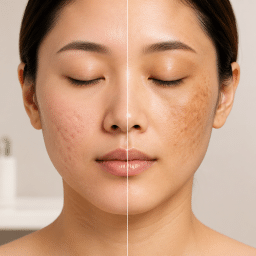
A Guide to Choosing an Acne Treatment Clinic in Malaysia That Prioritises Scarring Prevention and Skin Health
Medically reviewed by Dr Jeff Khoo, Medical Director, Revix Clinic
Quick answer: The best acne treatment for sensitive skin focuses on managing breakouts while protecting the skin barrier — not aggressive treatments that clear acne temporarily but leave the skin more reactive and prone to scarring. In Malaysia, acne management clinics that assess internal triggers such as hormones, inflammation, and lifestyle alongside skin treatment may offer more sustainable results for sensitive and acne-prone skin.
If you have sensitive skin and severe acne, you already know the frustration.
Treatments that work for other people make your skin worse. Products that promise to “clear acne fast” leave your face red, irritated, and peeling. And every time a breakout heals, it leaves behind dark marks or scars that take months to fade.
You are not imagining it — sensitive skin genuinely responds differently to acne treatment. And choosing the wrong approach doesn’t just fail to help. It can cause lasting damage.
This guide explains what to look for in an acne treatment clinic in Malaysia if you have sensitive skin, why severe acne often requires more than topical solutions, and how the right care pathway can help manage breakouts while actively preventing acne scarring.
Why Sensitive Skin Makes Acne Harder to Treat
Sensitive skin and severe acne is one of the most challenging combinations in skin health.
Here’s why: most conventional acne treatments are designed to be aggressive. Strong topical acids, high-dose retinoids, and intense laser treatments target acne by stripping oil, accelerating cell turnover, or creating controlled skin trauma to stimulate healing.
For resilient skin, this approach may work.
For sensitive skin, it often creates a cycle:
→ Aggressive treatment irritates the skin barrier → A damaged skin barrier triggers more inflammation → Increased inflammation triggers more breakouts → More breakouts lead to more aggressive treatment → The cycle repeats — and scarring accumulates along the way
This is why many people with sensitive skin feel trapped: doing nothing means the acne gets worse, but doing too much also makes it worse.
The key is finding an acne management approach that treats the breakouts without compromising the skin barrier — and ideally, one that addresses why the acne keeps coming back in the first place.
What Causes Severe Acne in People With Sensitive Skin?
Severe acne is rarely caused by a single factor. For sensitive skin, the triggers are often a combination of surface-level and internal issues.
Surface-Level Triggers
These are the factors most people already know about:
- Excess sebum (oil) production
- Clogged pores
- Bacterial overgrowth on the skin
- Using skincare products that irritate the skin barrier
- Over-cleansing or over-exfoliating
Internal Triggers That Are Often Overlooked
These are the factors that many acne treatment clinics do not assess — and they are often the reason acne keeps recurring:
- Hormonal imbalance — fluctuations in androgens, estrogen, progesterone, and cortisol can directly increase sebum production, trigger inflammation, and change the skin’s sensitivity. Hormonal acne typically presents along the jawline, chin, and lower cheeks.
- Chronic inflammation — when the body is in a state of low-grade systemic inflammation (driven by stress, poor sleep, gut health, or diet), the skin becomes more reactive and more prone to breakouts.
- Stress and cortisol — elevated cortisol does not just cause breakouts. It also weakens the skin barrier, making sensitive skin even more sensitive and more prone to scarring.
- Metabolic health — insulin resistance and blood sugar instability can increase androgen levels, which in turn increase oil production and acne severity.
- Gut health — emerging research continues to explore the gut-skin connection, suggesting that gut inflammation may influence skin inflammation.
This is why an acne treatment clinic that only treats what’s visible on the surface may see short-term improvement — but the acne often returns once treatment stops.
A more sustainable approach considers both the skin and the internal environment driving it.
How to Choose an Acne Treatment Clinic in Malaysia for Sensitive Skin
Not all acne treatment clinics in Malaysia are equipped to handle sensitive skin with severe acne. Here’s what to look for — and what to avoid.
What a Good Dermatology Consultation Should Include
A thorough consultation at an acne management clinic should go beyond looking at your face and recommending a package.
Look for clinics that include:
- Skin barrier assessment — is your barrier intact, compromised, or damaged? This determines which treatments are safe for your skin right now.
- Acne classification — what type of acne do you have (comedonal, inflammatory, cystic, hormonal)? Different types require different approaches.
- Scar risk evaluation — is your skin type prone to post-inflammatory hyperpigmentation or scarring? If so, prevention should start immediately, not after scars have already formed.
- Internal factor discussion — does the clinic ask about your menstrual cycle, stress levels, sleep, diet, digestion, and medications? If not, they are only seeing half the picture.
- Treatment planning — a clear, phased plan that starts conservatively for sensitive skin and adjusts based on how your skin responds, rather than jumping to the most aggressive option first.
Red Flags to Watch Out For
Be cautious of acne clinics that:
🚩 Recommend the same treatment package for everyone regardless of skin type 🚩 Promise to “clear your acne” in a specific number of sessions 🚩 Do not ask about your medical history, hormones, or lifestyle 🚩 Jump straight to aggressive treatments (strong peels, high-energy lasers) without assessing your skin barrier first 🚩 Do not mention scar prevention as part of the treatment plan 🚩 Dismiss your sensitivity concerns as “normal purging”
Acne Scarring Prevention: Why It Should Start on Day One
This is one of the most important — and most overlooked — aspects of acne treatment for sensitive skin.
Acne scarring prevention is not something that begins after the acne clears. It should begin the moment treatment starts.
Here’s why: every active breakout is a potential scar. The deeper the inflammation, the higher the risk. And for sensitive skin, the risk is compounded because:
- Sensitive skin is more prone to post-inflammatory hyperpigmentation (PIH) — the dark marks left after a pimple heals
- A compromised skin barrier heals more slowly, increasing the window for scar formation
- Aggressive treatments that irritate the skin can actually increase scarring risk
A responsible acne treatment plan for sensitive skin should include:
During active breakouts:
- Reducing inflammation as the first priority — not extraction or aggressive clearing
- Supporting the skin barrier with appropriate hydration and protection
- Avoiding treatments that create unnecessary skin trauma
- Sun protection to prevent PIH darkening
As acne improves:
- Gradual introduction of collagen-supporting treatments
- Targeted scar prevention for any early scarring
- Continued skin barrier maintenance
After acne is under control:
- Active scar treatment (if needed) on a stronger, more resilient skin barrier
- Ongoing management plan to prevent recurrence
This phased approach protects sensitive skin while systematically reducing both acne and scarring risk — rather than trading one problem for another.
Severe Acne Solutions: Why Sensitive Skin Needs a Different Approach
Severe acne — including cystic acne, nodular acne, and widespread inflammatory acne — can be particularly distressing for people with sensitive skin because the standard solutions often feel out of reach.
Heavy-duty treatments that work for others may cause:
- Excessive dryness and peeling
- Barrier damage and increased sensitivity
- Redness and irritation that lasts weeks
- Rebound breakouts once treatment stops
This does not mean severe acne in sensitive skin is untreatable. It means the approach needs to be more strategic.
Effective severe acne solutions for sensitive skin typically involve:
A slower, layered treatment strategy — starting with gentler interventions and gradually building intensity as the skin barrier strengthens, rather than starting at maximum strength.
Addressing internal drivers — if hormones, inflammation, or metabolic factors are fuelling the acne, surface treatments alone will keep falling short. Assessing and addressing these root causes can reduce acne severity from within, meaning the skin needs less aggressive external intervention.
Barrier-first treatment philosophy — every treatment decision filtered through the question: “Will this protect or damage the skin barrier?” A treatment that clears acne but destroys the barrier is not a solution — it’s a trade-off that leads to more problems.
Personalised treatment timelines — sensitive skin moves at its own pace. A good acne management clinic sets realistic expectations and adjusts the plan based on your skin’s actual response, not a fixed protocol.
The Inside-Out Approach to Acne and Sensitive Skin
Many people with sensitive skin and recurring acne have tried dozens of products and treatments, yet the acne keeps coming back.
This is often because the treatment only ever addressed the surface.
An inside-out approach to acne treatment recognises that the skin is not an isolated organ. It is connected to, and influenced by, everything happening inside the body.
When a clinic evaluates acne through this lens, the conversation changes:
Instead of only asking “What can we put on the skin?” — they also ask “What is driving this from within?”
- Are hormonal fluctuations creating monthly breakout patterns?
- Is chronic stress keeping the skin in a constant state of inflammation?
- Is poor sleep affecting skin recovery and barrier repair?
- Are dietary patterns contributing to blood sugar instability?
- Is gut health influencing skin inflammation?
Addressing these internal factors does not replace skin treatment — it supports it. When the body’s internal environment is better balanced, the skin often becomes less reactive, less inflamed, and more responsive to treatment.
This integrated approach is particularly valuable for sensitive skin, because it can reduce the intensity of external treatments needed — allowing the skin to heal without being overwhelmed.
How Revix Clinic Approaches Acne Treatment for Sensitive Skin
At Revix Clinic, we understand that sensitive skin with severe acne requires a different kind of care.
Rather than applying a one-size-fits-all acne protocol, our doctors take the time to understand your skin, your triggers, and your goals — then build a personalised treatment pathway that works with your skin, not against it.
Our approach includes:
Comprehensive skin and wellness assessment — we evaluate not just your skin condition, but the internal factors that may be contributing to your acne: hormonal patterns, stress levels, sleep quality, metabolic health, and lifestyle habits.
Barrier-first treatment planning — for sensitive skin, protecting the skin barrier is our first priority. We select treatments based on what your skin can safely tolerate right now, and adjust as your barrier strengthens over time.
Acne scarring prevention from day one — we don’t wait until scars have formed to address scarring. Prevention is built into every stage of the treatment plan.
Personalised acne treatment — your treatment pathway is tailored to your skin type, acne severity, sensitivity level, and internal health profile. No two plans are the same.
Ongoing support and adjustment — skin changes over time, and so should your treatment plan. We monitor your progress and adjust the approach based on how your skin actually responds.
We believe that managing acne — especially for sensitive skin — is not about finding one miracle treatment. It’s about building a clear care pathway that supports your skin’s health from the inside out, prevents scarring along the way, and helps your skin become stronger and more resilient over time.
With branches in Eco Santuari (Kota Kemuning) and Setia Alam, Selangor, Revix Clinic serves customers across the Klang Valley seeking science-backed acne treatment and skin health care.
Frequently Asked Questions About Acne Treatment for Sensitive Skin in Malaysia
What is the best acne treatment for sensitive skin in Malaysia?
The best acne treatment for sensitive skin is one that manages breakouts while protecting the skin barrier. This typically involves a personalised, phased approach — starting with gentler treatments and gradually increasing intensity as the skin strengthens. Clinics that also assess internal triggers like hormones, inflammation, and stress may achieve more lasting results than surface-only treatments.
Can sensitive skin handle laser treatment for acne?
Some laser and light-based treatments can be appropriate for sensitive skin when selected carefully and used at the right settings. The key is proper skin assessment before treatment. A responsible clinic will evaluate your skin barrier health first and choose the treatment intensity your skin can safely tolerate, rather than defaulting to the most aggressive option.
How do I prevent acne scars if I have sensitive skin?
Acne scarring prevention for sensitive skin should start from the first day of treatment — not after scars have formed. Key strategies include reducing inflammation as the first priority, protecting the skin barrier, avoiding treatments that create unnecessary trauma, using proper sun protection, and gradually introducing collagen-supporting treatments as the skin stabilises.
Why does my acne keep coming back even after treatment?
Recurring acne often indicates that the underlying triggers have not been addressed. Common internal drivers include hormonal imbalance, chronic inflammation, stress, poor sleep, metabolic health issues, and gut health. An acne management clinic that evaluates these internal factors alongside skin treatment may help break the cycle of recurring breakouts.
What is the difference between hormonal acne and regular acne?
Hormonal acne is driven primarily by hormonal fluctuations — particularly androgens, estrogen, progesterone, and cortisol. It typically appears along the jawline, chin, and lower cheeks, and often follows cyclical patterns related to the menstrual cycle or periods of high stress. Regular acne may be driven more by surface factors like clogged pores and bacteria. In practice, many people have a combination of both — which is why a thorough consultation should assess both surface and internal factors.
How long does acne treatment take for sensitive skin?
Acne treatment for sensitive skin generally takes longer than standard treatment because the approach needs to be more conservative to protect the skin barrier. Most people should expect a treatment timeline of several months, with gradual improvement. Be cautious of any clinic promising rapid results for sensitive skin — moving too fast often causes setbacks including barrier damage, irritation, and increased scarring risk.
Final Thoughts: Finding Acne Treatment That Works With Your Sensitive Skin
If you have sensitive skin and severe acne, the solution is not to push through aggressive treatments and hope for the best. It’s to find an acne treatment clinic in Malaysia that understands sensitive skin requires a different approach — one that is strategic, personalised, and designed to protect your skin while clearing your acne.
The right clinic should:
- Assess your skin barrier before recommending treatment
- Ask about internal factors, not just surface symptoms
- Prioritise acne scarring prevention from day one
- Build a phased treatment plan that respects your skin’s sensitivity
- Set realistic expectations and adjust the plan over time
Because clearer, healthier skin is not about finding the strongest treatment. It’s about finding the right treatment — for your skin.
Ready to experience a skin consultation that looks beyond the surface? Contact us now.