A Guide to How Functional Medicine and Aesthetic Clinics in Malaysia Assess and Treat Scars, Pigmentation, and Post-Inflammatory Skin Concerns
Medically reviewed by Dr Jeff Khoo, Medical Director, Revix Clinic
Quick answer: Scar and pigmentation treatment in Malaysia typically involves a combination of clinic assessment, skin classification, and one or more treatment modalities — including laser treatments, skin rejuvenation therapies, and topical protocols. The best results tend to come from clinics that assess not only the scar or pigmentation itself, but also the internal factors that may be contributing to recurrence or slow healing, such as hormones, inflammation, and skin barrier health. Functional medicine and aesthetic clinics in Malaysia are increasingly popular for this reason, as they combine dermatology services with a broader wellness perspective.
If you have acne scars, pigmentation, melasma, or post-inflammatory dark marks, chances are you have already tried something — a cream, a facial, maybe a laser session or two.
And chances are the results were either underwhelming or temporary.
This is not unusual. Scar and pigmentation treatment is one of the most misunderstood areas of skin care. Many people jump into treatments without understanding how different types of scars and pigmentation actually form, why some respond to treatment better than others, and what factors determine whether results last.
This guide explains how dermatology and medical aesthetic clinics in Malaysia assess and treat scars and pigmentation, what the main skin treatment options are, when each approach is most appropriate, and why the clinic you choose can matter as much as the treatment itself.
What Is the Difference Between Scars and Pigmentation?
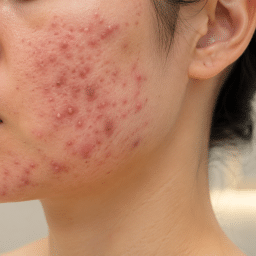
Before exploring treatment options, it helps to understand that scars and pigmentation are different concerns — even though they often appear together, especially after acne.
Scars
A scar is a structural change in the skin. It forms when the deeper layers of skin (the dermis) are damaged, and the body repairs that damage with fibrous tissue rather than normal skin cells.
Common types of skin scars include:
- Ice pick scars — narrow, deep holes that extend into the dermis, often caused by severe cystic acne
- Boxcar scars — wider depressions with defined vertical edges, typically caused by inflammatory acne
- Rolling scars — broad, shallow depressions with soft, undulating edges that create an uneven skin texture
- Hypertrophic scars — raised, thickened tissue that forms when the body overproduces collagen during healing
- Keloid scars — similar to hypertrophic scars but extend beyond the original injury site, more common in certain skin types
Because scars involve structural damage, they generally require treatments that remodel the skin from within — not just surface-level products.
Pigmentation
Pigmentation refers to changes in skin colour. Unlike scars, pigmentation is not a structural change — it occurs when melanocytes (the cells that produce skin colour) produce too much or too little melanin in a particular area.
Common types of pigmentation in Malaysia include:
- Post-inflammatory hyperpigmentation (PIH) — dark marks left behind after acne, eczema, or any skin injury or inflammation. Extremely common in Malaysian skin tones.
- Melasma — larger patches of brown or grey-brown discolouration, often on the cheeks, forehead, nose, or upper lip. Frequently linked to hormonal factors, sun exposure, and heat.
- Sunspots (solar lentigines) — dark spots caused by cumulative UV exposure, common in Malaysia’s tropical climate.
- Freckles and age spots — smaller, concentrated pigment deposits that increase with sun exposure and aging.
Pigmentation concerns are particularly prevalent in Malaysia due to the combination of year-round UV exposure, humidity, and the higher melanin content in Asian skin tones — which makes the skin more reactive to inflammation and more prone to PIH.
Why Pigmentation and Scars Are So Common in Malaysia
Malaysia’s tropical environment creates a perfect storm for pigmentation and scarring concerns.
Year-round UV exposure — even on cloudy days, UV levels in Malaysia are consistently high. UV triggers melanin production and can darken existing pigmentation, making conditions like melasma and PIH harder to manage.
Humidity and heat — high humidity can increase oil production and contribute to acne breakouts, which in turn lead to more PIH and potential scarring. Heat is also a known trigger for melasma.
Skin tone characteristics — Malaysian skin (across Malay, Chinese, and Indian ethnicities) tends to have higher melanin activity, meaning the skin responds more aggressively to inflammation by producing excess pigment. This makes PIH after acne or treatments more pronounced and longer-lasting compared to lighter skin types.
Common skincare mistakes — over-exfoliation, inappropriate use of strong acids, and inadequate sun protection are widespread and can worsen both pigmentation and skin barrier health.
Understanding these environmental and genetic factors is important because they directly influence which treatments are appropriate and how treatment plans should be designed for Malaysian skin.
How Clinics in Malaysia Assess Scars and Pigmentation
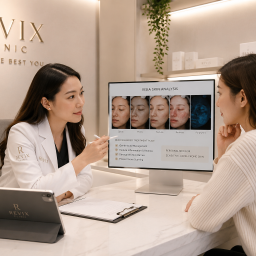
The assessment process is where good clinics separate themselves from average ones. A thorough evaluation determines not just what treatment to use, but whether treatment is appropriate right now — and which factors need to be addressed first.
What a Quality Skin Assessment Should Include
A responsible scar and pigmentation assessment at a medical aesthetic clinic should involve:
1. Visual and structural skin examination The doctor examines the skin under appropriate lighting to classify the type, depth, and distribution of scars and pigmentation. Different scar types require different treatment approaches — an ice pick scar cannot be treated the same way as a rolling scar.
2. Skin type and tone evaluation Malaysian skin tones respond differently to certain treatments. Higher melanin activity means a higher risk of post-treatment pigmentation changes. This must be factored into treatment selection and intensity.
3. Skin barrier assessment If the skin barrier is compromised — from over-exfoliation, irritation, or previous aggressive treatments — certain procedures should be delayed until the barrier is restored. Treating scarred or pigmented skin with a damaged barrier often makes things worse.
4. Medical and treatment history What have you tried before? What medications are you currently taking? Have you used retinoids recently? These details affect treatment safety and timing.
5. Internal factor evaluation This is where functional medicine and aesthetic clinics in Malaysia differ from conventional clinics. They may also assess:
- Hormonal factors — particularly relevant for melasma, which is frequently influenced by hormonal fluctuations
- Inflammatory markers — chronic low-grade inflammation can slow healing and increase PIH risk
- Stress and sleep patterns — elevated cortisol impairs skin healing and can trigger melanin overproduction
- Metabolic health — insulin resistance and blood sugar instability can affect skin repair and inflammation
- Nutritional status — deficiencies in certain nutrients can impair collagen production and wound healing
This broader assessment helps explain why some people heal well after treatment while others don’t — and why pigmentation keeps coming back for some customers even after successful treatment.
Clinic Assessment Criteria: What to Look For
When evaluating a scar and pigmentation treatment clinic in Malaysia, consider these criteria:
✔ Does the clinic classify your scars and pigmentation by type before recommending treatment? ✔ Does the doctor discuss your skin type and its specific risks? ✔ Does the clinic assess your skin barrier health? ✔ Does the clinic ask about internal factors (hormones, stress, health)? ✔ Is the treatment plan personalised to your skin, or is it a standard package? ✔ Does the clinic discuss realistic timelines and expectations? ✔ Does the clinic include maintenance and prevention in the plan?
If the answer to most of these is no, you may want to explore other options. For a more detailed framework, read our guide on how to choose a skin clinic in Malaysia.
Scar and Pigmentation Treatment Options in Malaysia
Once assessment is complete, the doctor designs a treatment plan based on your specific concerns, skin type, and goals. Here are the main skin treatment options available at dermatology and medical aesthetic clinics in Malaysia.
Laser Treatments
Laser therapy is one of the most widely used treatments for both scars and pigmentation in Malaysia.
How it works: Different lasers target different skin concerns. Some lasers target melanin (pigment) to break up dark spots. Others create controlled micro-injuries in the skin to stimulate collagen remodelling, which helps fill in depressed scars and improve skin texture.
Common laser types used in Malaysia:
- Fractional lasers — create thousands of microscopic treatment zones in the skin, stimulating collagen production while leaving surrounding skin intact for faster healing. Used for acne scars, enlarged pores, and skin rejuvenation.
- Q-switched lasers — target specific pigment colours to break down melanin deposits. Commonly used for sunspots, PIH, and certain types of melasma.
- Pico lasers — deliver ultra-short pulses of energy to shatter pigment particles more finely than traditional lasers, with less heat and potentially less downtime. Increasingly popular in Malaysia for pigmentation and skin tone improvement.
Best suited for: Acne scars (particularly boxcar and rolling scars), PIH, sunspots, and overall skin texture improvement.
Important consideration for Malaysian skin: Laser settings must be carefully calibrated for higher melanin skin tones. Too aggressive a setting can trigger more pigmentation rather than reducing it. This is why the doctor’s experience with Asian skin matters significantly.
Radiofrequency Microneedling
How it works: Fine needles create controlled micro-injuries in the skin while simultaneously delivering radiofrequency energy into the deeper layers. This dual mechanism stimulates collagen production and skin remodelling more effectively than microneedling or radiofrequency alone.
Best suited for: Acne scars (all types including deeper scars), skin tightening, large pores, and overall skin rejuvenation.
Why it’s particularly relevant in Malaysia: Because the energy is delivered beneath the surface, there is generally less risk of triggering surface pigmentation compared to some laser treatments — making it a safer option for darker Malaysian skin tones when performed correctly.
Chemical Peels
How it works: A controlled chemical solution is applied to the skin to remove damaged outer layers, stimulate cell turnover, and promote new skin growth. Different acids at different concentrations address different concerns.
Best suited for: Mild PIH, superficial pigmentation, uneven skin tone, and mild acne scarring.
Important for Malaysian skin: Peels must be selected carefully for higher melanin skin. Overly aggressive peels can cause rebound pigmentation. A conservative, gradual approach typically produces better long-term results for Malaysian skin tones.
Facial Treatments and Skin Rejuvenation
Beyond targeted scar and pigmentation treatments, many clinics in Malaysia offer facial treatments that support overall skin health and complement more intensive procedures.
These may include:
- Medical-grade facials — deep cleansing, hydration, and barrier repair treatments that prepare the skin for more intensive procedures
- LED light therapy — specific wavelengths of light that may support wound healing, reduce inflammation, and support collagen production
- Skin boosters and hydration treatments — injectable or topical treatments that improve skin hydration and quality at a deeper level
Facial treatments are often used as part of a phased treatment plan — preparing the skin before intensive treatments and supporting healing afterward.
Topical Treatments and Skin Care Protocols
Not all scar and pigmentation improvement requires clinic procedures. Topical treatments play an important supporting role, particularly for:
- Managing mild PIH
- Maintaining results after clinic treatments
- Protecting the skin barrier
- Preventing pigmentation from worsening
Common topical approaches include:
- Vitamin C serums — antioxidant protection and mild brightening
- Niacinamide — supports barrier function and may help reduce melanin transfer
- Retinoids — promotes cell turnover and collagen production (must be introduced gradually for sensitive skin)
- Sunscreen — the single most important product for anyone managing pigmentation in Malaysia. Without proper daily sun protection, any pigmentation treatment results will be undermined.
A good clinic will recommend a home care protocol that works alongside your in-clinic treatments, not instead of them.
Why Scars and Pigmentation Sometimes Don’t Respond to Treatment
This is where many people get frustrated — and where the role of internal health becomes important.
You may have experienced this scenario: a treatment works initially, pigmentation fades, scars look smoother — but weeks or months later, the pigmentation returns, or new dark marks appear, or the skin seems to stop improving.
This can happen when the underlying drivers of the skin concern are still active.
Internal Factors That Can Affect Treatment Outcomes
Hormonal imbalance — this is the most common hidden driver behind melasma that keeps returning after treatment. Hormonal fluctuations from menstrual cycles, contraceptive use, pregnancy, perimenopause, or chronic stress can continuously trigger melanin overproduction, effectively undoing treatment results.
Chronic inflammation — when the body is in a persistent inflammatory state (from stress, poor sleep, gut issues, or dietary factors), the skin heals more slowly, PIH lasts longer, and the skin is more reactive to treatments — meaning a higher risk of complications and less predictable results.
Metabolic health — insulin resistance and blood sugar instability can impair collagen production and skin repair, affecting how well the skin responds to scar treatments. There is also growing evidence linking metabolic health to skin inflammation.
Stress and cortisol — elevated cortisol weakens the skin barrier, increases inflammation, and can trigger both acne (leading to new scars) and melanin overproduction (worsening pigmentation). It’s a compounding cycle.
Sleep quality — the skin does most of its repair work during sleep. Consistently poor sleep reduces the body’s ability to heal after treatment and can impair collagen synthesis.
This is why functional medicine and aesthetic clinics in Malaysia are gaining popularity among customers with persistent scar and pigmentation concerns. These clinics recognise that the skin does not operate in isolation — and that addressing internal drivers alongside skin treatment may improve both the speed and longevity of results.
The Connection Between Weight Management, Metabolic Health, and Skin
This may not be an obvious connection, but it’s one that doctors at integrated wellness clinics increasingly observe.
Metabolic health — including insulin sensitivity, blood sugar stability, and body composition — can influence skin health in several ways:
- Insulin resistance is associated with increased androgen levels, which can increase oil production, acne severity, and subsequent scarring and PIH
- Excess visceral fat produces inflammatory cytokines that contribute to systemic inflammation, which can slow skin healing and worsen pigmentation
- Blood sugar instability can impair collagen production and cross-linking, affecting skin texture and scar remodelling
- Hormonal disruption related to body composition changes can trigger or worsen melasma
This is one reason why some functional medicine and aesthetic clinics in Malaysia include weight management programs alongside their dermatology services — not as a separate offering, but as part of a comprehensive approach to skin and overall health.
For customers who are managing persistent pigmentation or slow-healing scars alongside concerns about weight or metabolic health, addressing both together may yield better outcomes than treating the skin in isolation.
How to Choose a Scar and Pigmentation Treatment Clinic in Malaysia
Not all clinics approach scar and pigmentation treatment the same way. Here’s a framework for comparing your options.
Dermatology Clinics
Traditional dermatology clinics focus on diagnosing and managing skin conditions medically. They are well-suited for complex or severe skin conditions that require medical intervention.
Strengths: Medical diagnosis, prescription medications, management of complex skin diseases.
Considerations: May focus primarily on the skin condition itself without assessing broader wellness factors that could be influencing recurrence.
Aesthetic Clinics
Aesthetic clinics focus on cosmetic improvement using technologies such as lasers, radiofrequency, and skin rejuvenation treatments.
Strengths: Wide range of treatment technologies, cosmetic skin improvement, anti-aging treatments.
Considerations: Treatment selection may be technology-driven rather than root-cause driven. May not assess internal factors contributing to pigmentation or slow healing.
Functional Medicine and Aesthetic Clinics
A functional medicine and aesthetic clinic is a clinic model that combines cosmetic skin treatments with assessment of internal health factors — such as hormones, inflammation, metabolism, and lifestyle — treating skin concerns from the inside out rather than only at the surface.
Strengths: Integrated assessment of skin and internal health, personalised treatment plans that address both surface symptoms and underlying drivers, broader range of services including wellness and weight management programs.
Best suited for: Customers with persistent or recurring pigmentation (especially melasma), slow-healing scars, skin concerns that haven’t responded to previous treatments, or those who want a more comprehensive approach to skin health.
How Revix Clinic Approaches Scar and Pigmentation Treatment
At Revix Clinic, we approach scar and pigmentation treatment differently from a purely cosmetic perspective.
We believe that lasting improvement in scars and pigmentation requires understanding not just the skin concern — but the person behind it.
Our integrated approach includes:
Comprehensive skin and wellness assessment — we classify your scars and pigmentation by type, evaluate your skin tone and barrier health, and assess internal factors that may be influencing your skin: hormonal patterns, inflammation levels, stress, metabolic health, and lifestyle habits.
Personalised treatment pathways — based on your assessment, we design a phased treatment plan that may combine laser treatments, skin rejuvenation, facial treatments, topical protocols, and internal health support — calibrated to your skin type, concern severity, and healing capacity.
Skin barrier protection — particularly important for Malaysian skin tones, we ensure your skin barrier is in good condition before proceeding with intensive treatments, reducing the risk of post-treatment pigmentation.
Internal health support — for customers whose scars or pigmentation are influenced by hormonal, metabolic, or inflammatory factors, we address these alongside skin treatment to improve both results and longevity.
Maintenance and prevention planning — treatment doesn’t end when the last session is complete. We include a maintenance strategy and home care protocol to protect your results and prevent recurrence.
We offer a range of skin treatment options and dermatology services across our two branches:
📍 Revix Clinic Eco Santuari, Kota Kemuning, Selangor 📍 Revix Clinic Setia Alam, Selangor
Serving customers across Shah Alam, Klang, Subang, Puchong, and the greater Klang Valley.
Frequently Asked Questions About Scar and Pigmentation Treatment in Malaysia
How long does scar and pigmentation treatment take in Malaysia?
Treatment timelines vary depending on the type and severity of your concern. Mild PIH may improve within a few weeks to months with topical treatment and sun protection. Deeper acne scars and melasma typically require multiple treatment sessions over several months, with a maintenance plan afterward. A quality clinic will set realistic expectations during your initial consultation rather than promising rapid results.
Can pigmentation come back after treatment?
Yes — particularly with melasma, which is often driven by hormonal and environmental factors that continue after treatment. PIH can also recur if new acne breakouts or skin inflammation occur. This is why maintenance care, sun protection, and addressing internal triggers are essential parts of a complete treatment plan, not optional extras.
What is the best treatment for acne scars in Malaysia?
There is no single best treatment for acne scars — the most effective approach depends on your scar type. Ice pick scars, boxcar scars, and rolling scars each respond differently to treatment. Most dermatology and aesthetic clinics in Malaysia use a combination of fractional lasers, radiofrequency microneedling, and other modalities to address multiple scar types within one treatment plan.
Is laser treatment safe for darker Asian skin tones?
Laser treatment can be safe for Malaysian skin tones when performed by experienced doctors who calibrate settings appropriately. The key risk is post-inflammatory hyperpigmentation — using too much energy or the wrong wavelength on higher melanin skin can trigger new pigmentation. Look for clinics with specific experience treating Asian skin.
What is the difference between melasma and PIH?
Post-inflammatory hyperpigmentation (PIH) is dark marks left behind after skin injury or inflammation, such as an acne breakout. It typically fades over time, especially with treatment and sun protection. Melasma is a separate condition involving larger patches of discolouration that are often hormonally driven and more persistent. Melasma is generally harder to treat and more prone to recurrence, particularly if internal triggers like hormonal imbalance are not addressed.
Why does my pigmentation keep coming back after treatment?
Recurring pigmentation is often a sign that the underlying driver has not been addressed. For melasma, this is frequently hormonal. For PIH, it may indicate ongoing inflammation (from active acne, skin irritation, or systemic inflammation). Functional medicine and aesthetic clinics in Malaysia assess these internal factors alongside skin treatment, which may help break the cycle of treatment and recurrence.
Does weight or metabolic health affect skin pigmentation and scarring?
There is growing evidence that metabolic factors — including insulin resistance, blood sugar instability, and visceral fat levels — can influence skin inflammation, healing speed, and hormonal balance, all of which affect pigmentation and scar treatment outcomes. Some integrated wellness clinics include weight management programs as part of a comprehensive skin health approach for this reason.
How do I choose the right clinic for scar and pigmentation treatment in Malaysia?
Look for clinics that classify your concern by type before recommending treatment, assess your skin barrier and skin tone, ask about internal health factors, offer multiple treatment options rather than one machine for everyone, set realistic timelines, and include maintenance planning. For a detailed framework, read our guide on how to choose a skin clinic in Malaysia.
Final Thoughts: Understanding Your Treatment Before You Begin
Scar and pigmentation treatment in Malaysia has advanced significantly — but the technology is only as good as the assessment and planning behind it.
The most important thing you can do before booking any treatment is understand:
- What type of scar or pigmentation you actually have
- Whether your skin barrier is ready for treatment
- What internal factors might be influencing your concern
- Whether the clinic’s approach matches the complexity of your situation
Because the best treatment for scars and pigmentation is not always the most advanced machine. It’s the right treatment, for your skin, at the right time — supported by an approach that addresses what’s happening both on and beneath the surface.
Ready to experience a skin consultation that looks beyond the surface? Contact us now.