

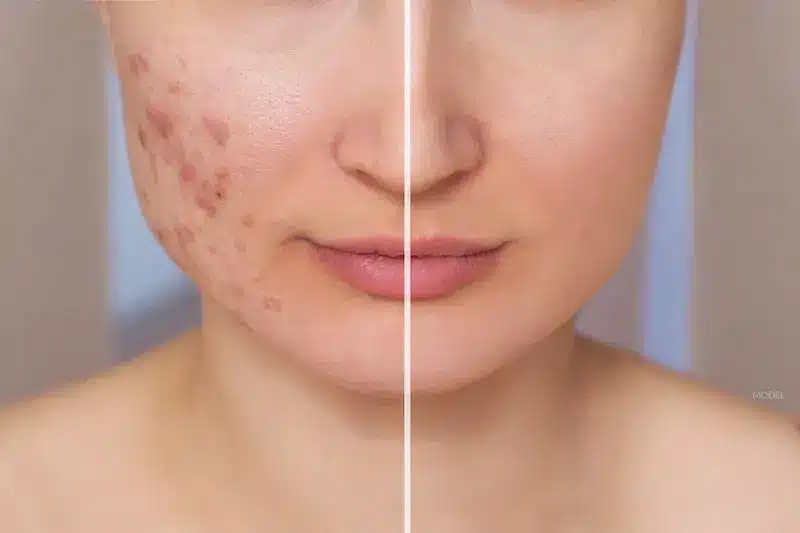
Acne scars are a common long-term consequence of inflammatory acne, and one of the most frequent questions patients ask is whether these scars can heal on their own without medical treatment. The short answer is it depends on what you mean by “scars.” To understand this clearly, it is important to distinguish between true acne scars and post-acne marks, and to understand how skin healing works at a biological level.
This article explains what can and cannot heal naturally, why some skin improves over time while other scars remain permanent, and when professional treatment becomes necessary. For a broader understanding of available treatment options in Malaysia, refer to the Acne Scar Treatment in Malaysia guide.
Understanding Skin Healing After Acne
When acne causes inflammation, the skin initiates a wound-healing response. This process involves:
- Inflammation control
- Collagen production
- Tissue remodeling
If the inflammation is mild and limited to the surface layers of the skin, healing is often complete. However, when acne damages the dermis, the deeper layer responsible for skin structure, the healing process may be imperfect, resulting in scars.
This distinction is critical and closely related to the difference between acne marks vs acne scars, which is explained in detail.
What Can Heal Naturally
Certain post-acne changes are capable of improving or resolving on their own over time.
- Acne Marks (Not True Scars)
These include:
- Red or pink marks (post-inflammatory erythema)
- Brown or dark spots (post-inflammatory hyperpigmentation)
These are color changes only, not structural damage. With time, sun protection, and proper skincare, they often fade naturally.
Natural improvement depends on:
- Skin type (darker skin tones may fade more slowly)
- Sun exposure
- Severity of initial inflammation
- Ongoing acne control
In Malaysia, where UV exposure is high, lack of sun protection can significantly delay natural fading.
What Cannot Heal Naturally
True acne scars involve permanent changes in skin structure and do not fully heal without intervention.
- Atrophic Acne Scars
These are the most common and include:
- Ice pick scars
- Boxcar scars
- Rolling scars
They result from collagen loss during healing. While the skin continues to remodel collagen slowly over time, this process is insufficient to restore normal texture.
- Hypertrophic and Keloid Scars
These occur due to excessive collagen production and are more common on the chest, shoulders, and jawline. They do not flatten or normalize naturally and may worsen without treatment.
Why Some People Think Their Scars Are Healing
Patients often report that their “scars” are improving naturally. In many cases, this perception is due to:
- Fading of acne marks rather than scars
- Improvement in skin hydration and texture
- Reduced inflammation after acne control
- Natural collagen remodeling that softens, but does not remove, scars
This improvement is usually partial and plateaus over time.
Can Lifestyle or Skincare Heal Acne Scars?
Healthy habits support skin health but do not reverse established scars.
Helpful for overall skin quality:
- Consistent sunscreen use
- Gentle exfoliation
- Retinoids (support collagen turnover)
- Adequate nutrition and sleep
Limitations:
- Skincare products cannot penetrate deeply enough to release tethered scars
- Collagen loss in the dermis cannot be rebuilt sufficiently without procedures
Skincare is best viewed as supportive, not curative, for acne scars.
When to Consider Treatment Instead of Waiting
Waiting too long may reduce treatment efficiency. Early intervention can prevent scars from becoming more established.
Treatment should be considered when:
- Skin texture remains uneven after 6–12 months
- Indentations are visible under side lighting
- Makeup cannot conceal surface irregularities
- Acne is under control but scarring persists
Timing and readiness for treatment are discussed further in When Should You Treat Acne Scars?
Why Medical Treatments Are Needed for Scars
Clinical treatments work because they address the structural problem, not just surface appearance.
They aim to:
- Stimulate controlled collagen production
- Release fibrotic scar bands
- Resurface damaged skin layers
- Restore smoother skin architecture
Examples include laser treatments, microneedling, and subcision, which are covered extensively in the pillar article.
Malaysian Skin Considerations
For Malaysian patients:
- Higher risk of pigmentation issues during healing
- Treatments must be adjusted to reduce PIH risk
- Natural healing of marks may take longer due to sun exposure
This reinforces the importance of correct diagnosis before assuming scars will resolve on their own.
Conclusion
Acne scars do not fully heal naturally once the dermis has been damaged. While acne marks and mild textural changes may improve over time, true scars require medical intervention to achieve meaningful improvement. Understanding the difference between marks and scars, recognizing when natural healing has plateaued, and seeking timely professional care are key steps in effective scar management.
Frequently Asked Questions
1. Can acne scars heal naturally without treatment?
True acne scars cannot heal naturally because they involve permanent damage to the deeper layers of the skin. Only acne marks (red or dark spots) may fade on their own over time.
2. How long does it take for acne scars to fade naturally?
Acne scars do not fade completely on their own. Minor improvement may occur over months due to natural collagen remodeling, but visible scars usually remain without medical treatment.
3. Can skincare products remove acne scars naturally?
No. Skincare products can improve skin texture and tone but cannot remove acne scars, as they do not reach the dermal layer where structural damage exists.
4. Do acne scars heal naturally for Malaysian skin types?
No. Malaysian skin types (Fitzpatrick III–V) may experience slower fading of acne marks and a higher risk of pigmentation, but acne scars themselves still require clinical treatment.
5. How can I tell if my acne marks will heal naturally or if they are scars?
If the skin surface is smooth and flat, it is likely an acne mark that may fade naturally. If there are indentations, raised areas, or uneven texture, it is an acne scar.
