

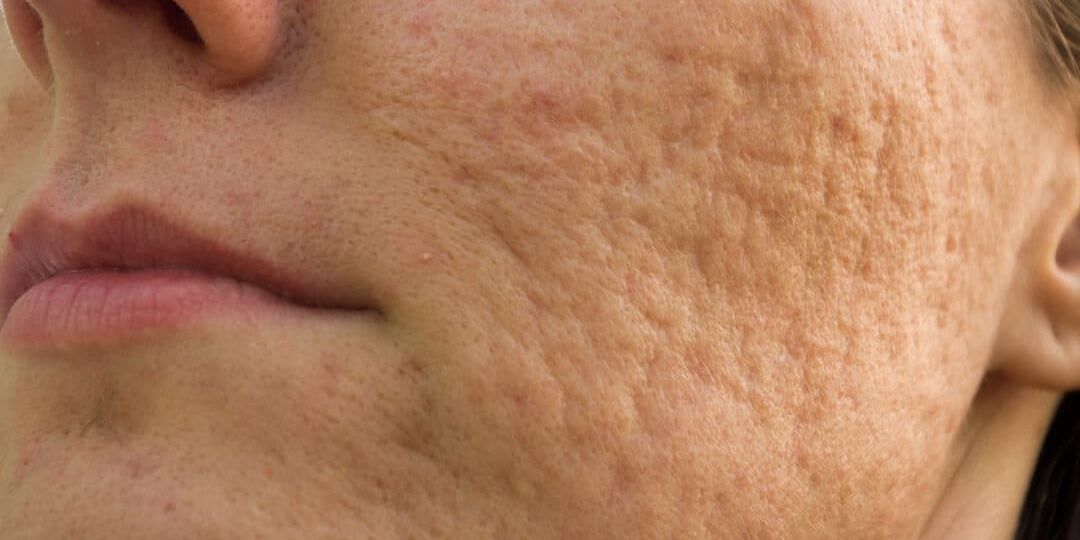
Acne scars are structurally complex. Most patients do not have a single scar type; instead, they present with a mixture of ice pick scars, rolling scars, and boxcar scars. Because each scar type has a different structural cause, a single treatment modality is rarely sufficient.
Combination treatment strategies address multiple scar mechanisms simultaneously, improving overall skin texture, depth, and contour more effectively than standalone procedures. This article explains why combination therapy is necessary, how different treatments complement one another, and how structured treatment plans are developed.
Why Single Treatments Are Often Insufficient
Acne scars form due to inflammation that damages collagen and underlying skin support structures. Depending on severity and healing response, scars may be:
- Ice pick scars – narrow, deep vertical tracts
- Boxcar scars – round or oval depressions with defined edges
- Rolling scars – broad depressions caused by fibrotic tethering
Each scar type requires a different mechanical or biological correction. For example:
- TCA CROSS targets deep, narrow scars.
- Subcision releases fibrotic bands beneath rolling scars.
- Microneedling improves overall collagen density.
- Laser resurfacing smooths scar edges and texture.
No single procedure addresses all these structural issues.
Core Components of Combination Acne Scar Treatment
1. Structural Release (Subcision)
Rolling scars are caused by fibrotic bands pulling the skin downward. Subcision uses a needle or cannula to release these bands, allowing the skin to elevate.
Subcision is often the first step in combination therapy when tethering is present.
2. Targeted Scar Reconstruction (TCA CROSS)
Deep ice pick scars require precise chemical reconstruction. TCA CROSS delivers high-concentration trichloroacetic acid directly into the scar to stimulate collagen formation from the base upward.
It is frequently combined with subcision or resurfacing treatments.
3. Collagen Stimulation (Microneedling or Laser)
After structural issues are addressed, collagen-stimulating procedures improve texture and thickness:
- Microneedling creates controlled micro-injuries to trigger collagen remodeling.
- Fractional laser induces thermal micro-damage to resurface skin and improve scar edges.
These treatments enhance overall blending of treated scars with surrounding skin.
4. Volume Correction (Dermal Fillers)
For selected rolling or boxcar scars, dermal fillers provide immediate elevation. Fillers may also be used after subcision to maintain lifted results and reduce recurrence of tethering.
5. Regenerative Support (PRP)
Platelet-Rich Plasma (PRP) may be added to enhance healing and amplify collagen production following microneedling or laser treatment. PRP supports biological regeneration but does not replace structural correction.
Example Combination Approaches
Treatment plans vary depending on scar distribution and severity.
Example 1: Mixed Rolling + Ice Pick Scars
- Subcision for rolling scars
- TCA CROSS for ice pick scars
- Microneedling for overall texture
Example 2: Moderate Boxcar + Texture Irregularity
- Fractional laser resurfacing
- PRP to enhance healing
- Optional filler for deeper depressions
Example 3: Severe Multi-Type Scarring
- Sequential subcision sessions
- TCA CROSS for resistant deep scars
- Laser resurfacing for blending
- Maintenance microneedling
Combination therapy is staged over several months to allow collagen remodeling between sessions.
Treatment Timeline and Expectations
Combination acne scar treatment is gradual.
Typical plan duration:
- 3–6 months minimum
- Multiple sessions spaced 4–6 weeks apart
- Progressive collagen remodeling over time
Immediate results may occur with fillers, but most improvements develop gradually as collagen regenerates.
Complete scar removal is not achievable. The realistic goal is visible improvement and texture blending, not total elimination.
Safety Considerations for Malaysian Skin Types
Patients with Fitzpatrick III–V skin types have higher risk of post-inflammatory hyperpigmentation (PIH). Combination treatment plans must be structured carefully:
- Conservative laser settings
- Strict sun protection
- Proper treatment spacing
- Active acne control before scar treatment
When properly executed, combination strategies can be safely performed on darker skin tones.
Advantages of Combination Treatment
- Addresses multiple scar mechanisms simultaneously
- Produces more natural, balanced results
- Reduces reliance on aggressive single treatments
- Customizable to scar type and severity
- Improves both depth and surface texture
Limitations
- Requires multiple sessions
- Higher cumulative cost
- Demands patient compliance
- Results depend on individual collagen response
- Cannot completely erase severe scarring
Who Is a Suitable Candidate?
Combination therapy is suitable for patients who:
- Have mixed acne scar types
- Have stable skin without active inflammatory acne
- Are willing to undergo staged treatments
- Understand that improvement is gradual
It is not suitable for patients seeking instant permanent removal in one session.
Conclusion
Combination treatments represent the most effective strategy for managing acne scars because they address the structural, textural, and volumetric components of scarring simultaneously. By integrating subcision, TCA CROSS, microneedling, laser therapy, fillers, and PRP where appropriate, clinicians can tailor treatment to each scar type and severity level.
The objective of combination therapy is measurable improvement, structural correction, and smoother skin texture over time, not complete scar eradication.
Frequently Asked Questions
1. Why are combination treatments better for acne scars?
Most patients have multiple scar types. Combination treatments address different structural issues simultaneously, leading to more balanced and noticeable improvement compared to a single procedure.
2. Can combination therapy completely remove acne scars?
No. Combination treatments improve scar depth and texture but do not completely eliminate acne scars. The goal is visible reduction and smoother blending with surrounding skin.
3. How long does combination acne scar treatment take?
Most treatment plans last 3–6 months or longer, with sessions spaced about 4–6 weeks apart, depending on scar severity and treatment types used.
4. Is combination treatment safe for darker or Malaysian skin types?
Yes, when properly structured. Conservative laser settings, correct sequencing, and strict sun protection reduce the risk of post-inflammatory hyperpigmentation in Fitzpatrick III–V skin types.
5. Will I need downtime with combination treatments?
Downtime depends on the procedures included. Subcision and fillers have minimal downtime, while laser treatments may require several days of recovery.
