

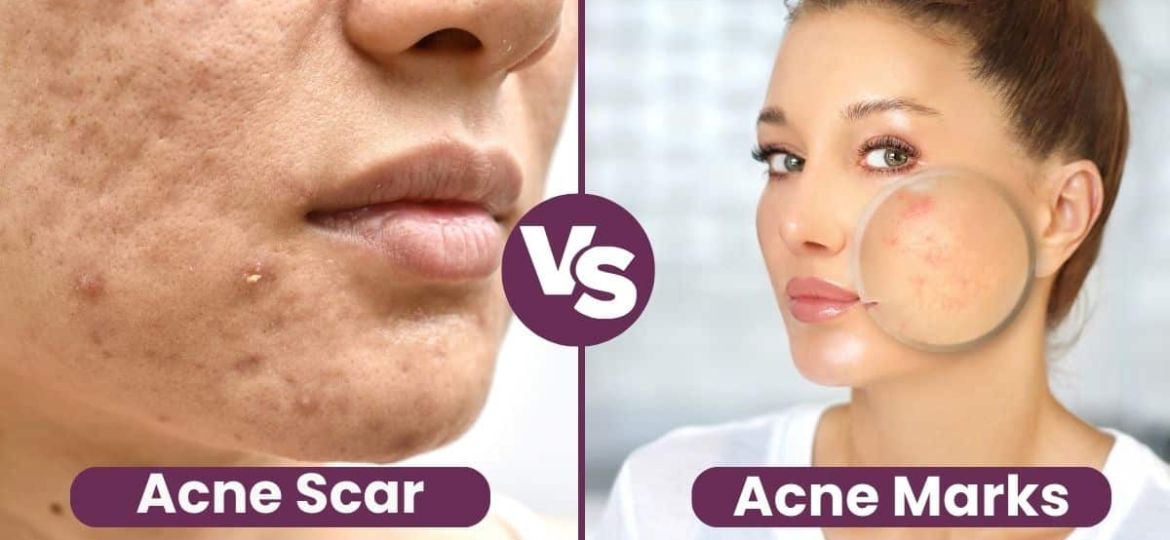
After acne clears, many people notice lingering changes in their skin. These changes often cause confusion because not all post-acne marks are permanent scars. Understanding the difference between acne marks and acne scars is crucial for choosing the right treatment, setting realistic expectations, and protecting your skin. This distinction is especially important for Malaysian skin types, where pigmentation risks are higher.
What Are Acne Marks?
Acne marks, often called post-inflammatory changes, are temporary changes in skin color following inflammation. They do not involve permanent structural damage to the dermis.
Types of Acne Marks
Post-Inflammatory Hyperpigmentation (PIH)
- Appearance: Flat, dark patches or spots where acne lesions once were.
- Cause: Excess melanin production triggered by inflammation.
- Common in: Malaysian skin types (Fitzpatrick III–V), where darker skin tones are more prone to persistent pigmentation.
- Duration: Can fade naturally over weeks to months, especially with sun protection and topical treatment.
Post-Inflammatory Erythema (PIE)
- Appearance: Red or pink marks remaining after acne lesions.
- Cause: Dilated capillaries following inflammation.
- Duration: Usually improves over time; can be treated with vascular lasers or gentle topical agents.
Temporary Texture Changes
- Mild roughness or superficial bumps without true dermal damage.
- Usually resolves naturally or with exfoliation.
Key Point: Understanding acne marks that it affects color or superficial skin texture only, not the deeper dermal structure. With proper care, they often fade naturally.
What Are Acne Scars?
Acne scars are permanent structural changes in the skin caused by damage to the dermis during inflammatory acne. Unlike acne marks, scars alter the skin’s texture and do not resolve on their own.
Types of Acne Scars
Atrophic Scars
- Ice pick, boxcar, and rolling scars.
- Result from collagen loss and tissue collapse.
- Require procedural interventions like microneedling, lasers, or subcision.
Hypertrophic and Keloid Scars
- Raised scars caused by excess collagen.
- More common on the jawline, chest, and shoulders.
- Darker skin tones are more prone to keloids.
Key Point: Acne scars are structural, permanent, and need clinical treatment for improvement.
How to Tell the Difference Between Acne Marks & Scars
| Feature | Acne Marks | Acne Scars |
| Skin Structure | Normal dermis | Altered dermis (depression or raised) |
| Appearance | Flat, red, pink, or brown | Indented, raised, rolling, or V/U-shaped |
| Duration | Weeks to months | Permanent without treatment |
| Treatment | Topicals, sun protection, gentle lasers | Procedural treatments: microneedling, lasers, subcision, fillers |
| Risk Factors | Inflammation, pigmentation-prone skin | Severe cystic acne, delayed treatment, picking lesions |
Practical Tip: If the mark feels smooth to the touch, it’s likely an acne mark. If the skin is pitted or raised, it is likely an acne scar.
Why This Distinction Matters
Treatment Planning
- Acne marks often respond to topical agents, chemical peels, or sun protection.
- Acne scars require procedural interventions.
Patient Expectations
- Knowing the difference prevents frustration over slow results.
- Marks can fade naturally, but scars require active management.
Timing
- Early identification of marks allows preventive care, such as brightening agents or sun avoidance.
- Early treatment of scars improves long-term outcomes and reduces the need for extensive procedures.
Malaysia-Specific Considerations
- Darker skin types are more prone to persistent hyperpigmentation.
- Sun exposure can worsen marks and increase contrast with surrounding skin.
- Combination approaches may be needed for patients with marks overlaid on scars.
Treatment Approaches for Acne Marks vs Scars
For Acne Marks
- Topical brightening agents: Vitamin C, azelaic acid, niacinamide
- Sun protection: Broad-spectrum SPF 30+ to prevent darkening
- Gentle exfoliation: Chemical peels (low-concentration AHAs)
- Light-based treatments: Vascular or pigment-targeted lasers for persistent discoloration
For Acne Scars
- Microneedling / RF Microneedling: Stimulates collagen regeneration
- Laser resurfacing: Fractional CO2 or erbium lasers for atrophic scars
- Subcision: Releases tethered rolling scars
- TCA CROSS: Focused chemical resurfacing for ice pick scars
- Dermal fillers: Temporary or semi-permanent volume restoration
- Combination therapy: Often required for mixed scar types
Conclusion
Acne marks and acne scars are fundamentally different: marks are temporary changes in skin color, while scars involve permanent structural damage. Correctly distinguishing between them is crucial for selecting the appropriate treatment and setting realistic expectations.
Acne marks often fade naturally or respond well to topical agents, sun protection, and gentle laser therapy, whereas acne scars require procedural interventions such as microneedling, lasers, subcision, or combination treatments.
For Malaysian patients, darker skin tones and high sun exposure increase the risk of persistent pigmentation, making careful treatment planning essential. Early identification and timely intervention can improve outcomes, minimize psychological impact, and restore smoother, more even skin.
Understanding the difference between marks and scars empowers patients to make informed decisions and allows clinicians to design effective, personalized acne scar management plans.
Frequently Asked Questions
1. What is the difference between acne marks and acne scars?
Acne marks are temporary changes in skin color (red, pink, or dark spots) without structural damage, while acne scars involve permanent changes in skin texture like indentations, raised scars, or rolling areas.
2. Can acne marks fade naturally?
Yes. Acne marks, especially post-inflammatory hyperpigmentation (PIH) or redness (PIE), can fade naturally over weeks to months, particularly with sun protection and gentle skincare.
3. Do acne scars ever heal on their own?
No. Acne scars are permanent structural changes in the dermis and cannot resolve naturally. They require clinical treatments such as microneedling, laser therapy, subcision, or combination therapy.
4. How can Malaysian skin types affect acne marks and scars?
Darker skin tones (Fitzpatrick III–V), common in Malaysia, are more prone to persistent hyperpigmentation after acne. Treatment must be tailored to minimize pigmentation and optimize healing.
5. How do doctors distinguish between marks and scars?
Doctors evaluate skin texture, depth, and color. Marks are flat and smooth, whereas scars are indented, raised, or tethered, indicating permanent dermal damage.
6. Can acne marks and scars appear together?
Yes. Many patients have mixed post-acne changes, with marks overlaying structural scars. Combination treatments are often required to address both pigmentation and textural irregularities.
