

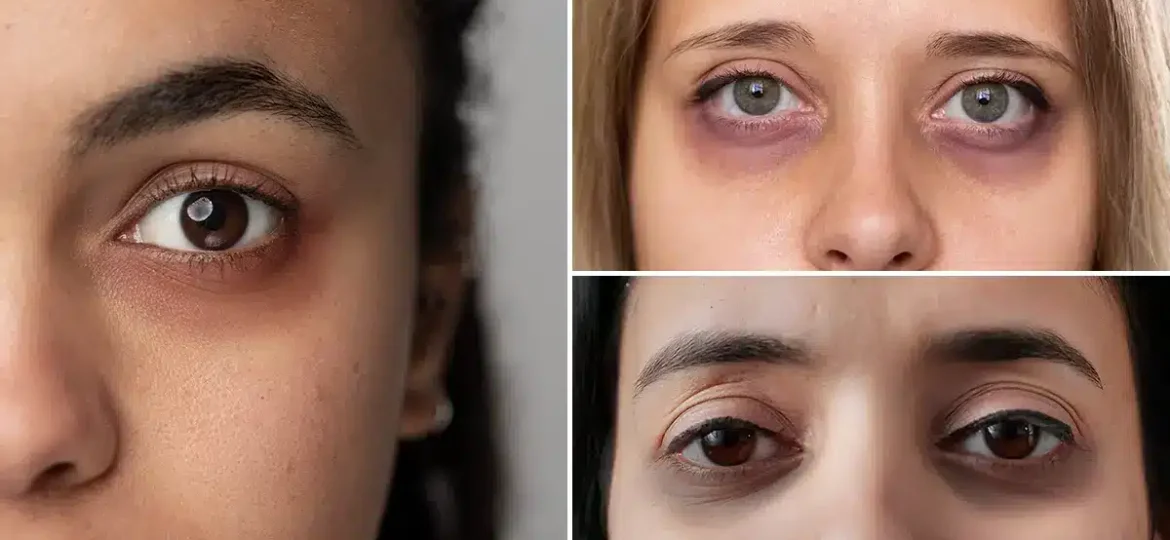
Dark circles are not all the same. While many people use the term broadly to describe under-eye darkness, the actual causes can differ significantly from person to person.
In aesthetic and dermatological assessment, dark circles are commonly grouped into three main categories:
- Pigment dark circles
- Vascular dark circles
- Shadow or structural dark circles
Each type has distinct characteristics, underlying causes, and treatment approaches. Understanding the difference is important because treatments that work for one type may not be effective for another.
This article explains the major types of dark circles, how to identify them, and why accurate diagnosis matters before starting any treatment.
Key Takeaways
- Dark circles are generally classified into pigment, vascular, and shadow types
- Each type develops from different underlying causes
- Many individuals have a combination of multiple types
- Correct diagnosis improves treatment effectiveness
- Modern clinics customise treatments based on dark circle type
Why Understanding Dark Circle Types Matters
Dark circles are often treated incorrectly because many people assume all under-eye darkness is caused by fatigue or poor sleep.
In reality:
- Brown discolouration may be pigmentation
- Blue or purple tones may involve blood vessels
- Hollow-looking darkness may actually be shadows
Because each type behaves differently, treatment must be matched to the actual cause.
Pigment Dark Circles
Pigment dark circles are caused by excess melanin beneath the eyes.
They typically appear:
- Brown
- Tan
- Dark grey-brown
This type is more common in individuals with naturally higher pigmentation tendencies.
Common Causes of Pigment Dark Circles
Pigmentation beneath the eyes may develop due to:
- Genetics
- Sun exposure
- Chronic eye rubbing
- Eczema or skin inflammation
- Post-inflammatory hyperpigmentation
Repeated irritation around the eyes can worsen pigment buildup over time.
How Pigment Dark Circles Usually Look
Characteristics often include:
- Flat brownish darkness
- More visible under natural light
- Persistent appearance regardless of rest
- Even distribution beneath the eyes
The darkness usually remains visible even when lighting changes.
Common Treatments for Pigment Dark Circles
Treatment often focuses on reducing excess pigmentation and improving skin quality.
Common options include:
- Pigment lasers
- Medical-grade skincare
- Chemical peels
- Brightening treatments
- Sun protection strategies
Vascular Dark Circles
Vascular dark circles are caused by visible blood vessels beneath thin under-eye skin.
They often appear:
- Blue
- Purple
- Pinkish
This type is strongly influenced by skin thickness and circulation.
Why Blood Vessels Become More Visible
The under-eye skin is naturally thin, making underlying vessels easier to see.
Factors that worsen vascular visibility include:
- Fatigue
- Poor sleep
- Thin skin
- Ageing
- Dehydration
- Poor circulation
How Vascular Dark Circles Usually Look
Common signs include:
- Bluish or purplish tone
- More noticeable during fatigue
- Increased visibility in certain lighting
- Sometimes associated with puffiness
The colour often changes depending on blood flow and lighting conditions.
Common Treatments for Vascular Dark Circles
Treatment may focus on improving skin thickness and reducing vessel visibility.
Options may include:
- Laser therapy
- Skin boosters
- Collagen stimulation treatments
- PRP or regenerative therapies
- Lifestyle adjustments for circulation support
Shadow Dark Circles
Shadow dark circles are structural rather than pigment-related.
They occur when facial anatomy creates hollow areas beneath the eyes that cast shadows.
This is commonly associated with:
- Tear trough hollowness
- Volume loss
- Facial ageing
- Bone structure genetics
Why Shadowing Happens
As people age:
- Fat pads shift downward
- Collagen decreases
- Under-eye support weakens
This creates depressions beneath the eyes that produce shadow effects, especially under overhead lighting.
How Shadow Dark Circles Usually Look
Common features include:
- Hollow or sunken appearance
- Darkness that changes with lighting angle
- More noticeable from side profiles
- Deep tear trough lines
In many cases, the skin itself is not darker — the appearance comes from structural contouring.
Common Treatments for Shadow Dark Circles
Treatment usually focuses on restoring support beneath the eyes.
Options may include:
- Dermal fillers
- Collagen stimulation treatments
- Skin tightening procedures
- Regenerative aesthetic treatments
Mixed-Type Dark Circles Are Very Common
Many individuals do not have just one type.
For example:
| Combination | Common Presentation |
|---|---|
| Pigment + vascular | Brown darkness with bluish tones |
| Vascular + shadow | Hollow eyes with purple discolouration |
| Pigment + shadow | Brown pigmentation with sunken appearance |
This is why professional assessment is important before selecting treatment.
Why Sleep Alone Does Not Fix Dark Circles
Sleep deprivation can temporarily worsen vascular visibility and puffiness, but it does not eliminate structural or pigmentation-related causes.
Many people continue experiencing dark circles despite:
- Adequate sleep
- Hydration
- Skincare routines
This is because the root cause may involve anatomy or genetics rather than fatigue alone.
How Clinics Diagnose Dark Circle Types
Professional assessment usually involves:
- Skin examination
- Lighting analysis
- Facial structure evaluation
- Pigmentation assessment
- Medical history review
This helps determine which components contribute most to the under-eye appearance.
Why Correct Treatment Selection Matters
Using the wrong treatment often produces limited improvement.
For example:
- Fillers do not remove pigmentation
- Pigment lasers do not correct hollowness
- Skincare may not resolve structural shadows
Targeted treatment planning improves outcomes significantly.
Final Thoughts
Dark circles are not a single condition but a combination of different under-eye concerns involving pigmentation, vascular visibility, and facial structure.
Pigment dark circles appear brown due to melanin buildup, vascular dark circles result from visible blood vessels, and shadow dark circles develop from volume loss or facial anatomy.
Because many individuals have mixed-type dark circles, accurate diagnosis is essential before starting treatment. Understanding the differences between these categories helps patients choose more appropriate and effective solutions for long-term under-eye improvement.
