

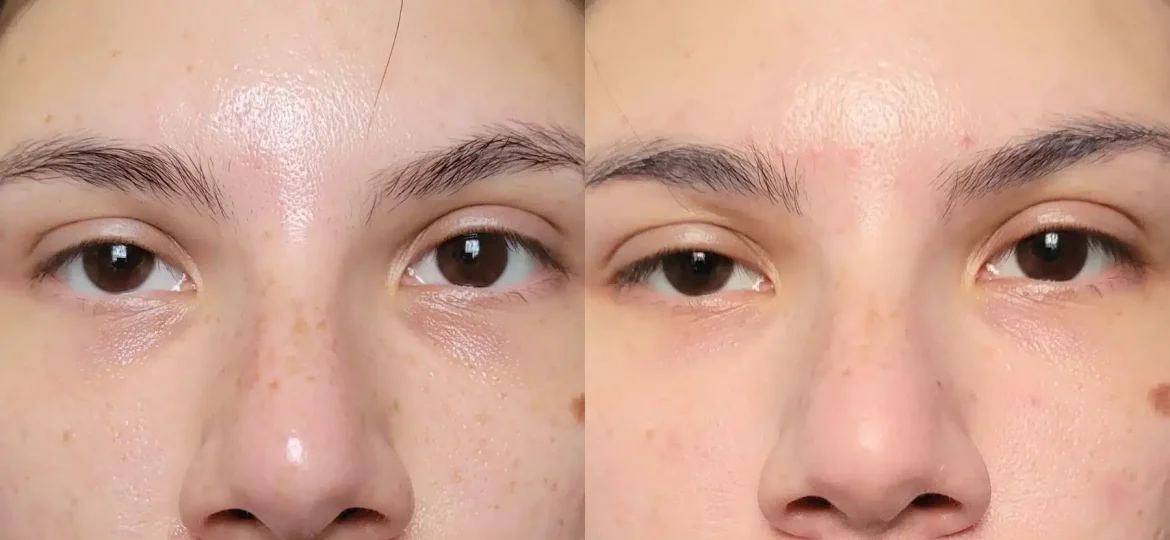
Dark circles are one of the most common under-eye concerns affecting both younger and older adults. They appear as darkened, shadowed, or discoloured areas beneath the eyes and are often associated with tiredness or lack of sleep.
However, dark circles are usually caused by a combination of factors rather than sleep deprivation alone. Genetics, skin structure, ageing, pigmentation, blood vessels, and lifestyle habits can all contribute to their appearance.
Understanding what dark circles actually are — and why they form — is important because effective treatment depends heavily on identifying the real underlying cause.
Key Takeaways
- Dark circles are caused by multiple factors, not just poor sleep
- Pigmentation, blood vessels, ageing, and facial structure all play a role
- Different types of dark circles have different appearances
- Lifestyle factors may worsen existing under-eye darkness
- Proper diagnosis is important before choosing treatment
What Are Dark Circles?
Dark circles refer to visible darkness, shadowing, or discolouration beneath the eyes.
The under-eye area naturally appears more delicate because:
- The skin is thinner than other facial areas
- Blood vessels are closer to the surface
- Fat support beneath the eyes changes over time
- Skin quality weakens with ageing
These factors make darkness and hollowing more noticeable around the eyes.
Why the Under-Eye Area Is More Vulnerable
The skin beneath the eyes is structurally different from the rest of the face.
It contains:
- Less collagen
- Thinner skin layers
- Minimal oil glands
- More visible vascular structures
Because of this, even small changes in circulation, pigmentation, or volume can become highly visible.
Common Causes of Dark Circles
Dark circles usually develop because of one or several overlapping causes.
Genetics and Natural Facial Structure
For many people, dark circles are strongly influenced by genetics.
Inherited traits may include:
- Naturally deeper tear troughs
- Thin under-eye skin
- Higher pigmentation tendency
- More visible blood vessels
This explains why some individuals develop dark circles even with adequate rest and healthy lifestyles.
Pigmentation Around the Eyes
Excess pigmentation beneath the eyes can create brownish dark circles.
This may happen due to:
- Sun exposure
- Skin inflammation
- Frequent rubbing of the eyes
- Eczema or allergies
- Genetic pigmentation patterns
Pigmentation-related dark circles are usually darker brown rather than blue or purple.
Visible Blood Vessels
Thin under-eye skin can make blood vessels more noticeable.
This often creates:
- Bluish tones
- Purple discolouration
- Tired-looking appearance
Poor circulation and fatigue may temporarily intensify this effect.
Volume Loss and Hollow Eyes
As people age, the face gradually loses fat and collagen support.
This can lead to:
- Sunken under-eyes
- Tear trough formation
- Shadowing beneath the eyes
In these cases, the “dark circle” is often actually a shadow caused by facial structure rather than true pigmentation.
Ageing and Skin Thinning
Ageing naturally affects under-eye appearance.
Over time:
- Collagen decreases
- Skin becomes thinner
- Elasticity weakens
- Blood vessels become more visible
This makes dark circles appear more prominent even if they were mild previously.
Lifestyle Factors That Worsen Dark Circles
Lifestyle habits may not always directly cause dark circles, but they often make them more noticeable.
Common aggravating factors include:
- Poor sleep quality
- High stress levels
- Smoking
- Excessive alcohol intake
- Dehydration
- Prolonged screen exposure
These factors can affect circulation, skin quality, and eye fatigue.
Allergies and Eye Rubbing
Allergies can contribute significantly to under-eye darkness.
Frequent rubbing may:
- Trigger inflammation
- Increase pigmentation
- Damage delicate capillaries
- Worsen skin irritation
This is especially common in individuals with chronic sinus or allergy conditions.
Different Types of Dark Circles
Dark circles are generally grouped into several categories.
| Type | Common Appearance | Main Cause |
|---|---|---|
| Pigmented | Brownish darkness | Excess melanin |
| Vascular | Blue or purple tone | Visible blood vessels |
| Structural | Hollow shadows | Volume loss or facial anatomy |
| Mixed type | Combination appearance | Multiple overlapping causes |
Many individuals have more than one type simultaneously.
Why Sleep Is Only Part of the Problem
Sleep deprivation can worsen under-eye appearance temporarily, but it is rarely the sole cause.
Poor sleep may:
- Increase fluid retention
- Make blood vessels more visible
- Cause skin dullness
- Intensify shadowing
However, individuals with genetically inherited or structural dark circles may continue experiencing them even with adequate rest.
Can Dark Circles Be Prevented?
Prevention depends on the underlying cause.
Helpful measures may include:
- Using sunscreen regularly
- Avoiding excessive eye rubbing
- Managing allergies
- Maintaining healthy sleep habits
- Staying hydrated
- Reducing smoking and alcohol intake
These steps may help minimise worsening over time.
When to Seek Professional Assessment
Professional evaluation may be helpful if:
- Dark circles worsen progressively
- Skincare products show little improvement
- Under-eye hollowness becomes more noticeable
- Pigmentation increases significantly
- The condition affects confidence or appearance concerns
Accurate diagnosis is important because treatment varies depending on the root cause.
Final Thoughts
Dark circles are a multifactorial under-eye concern caused by a combination of pigmentation, vascular visibility, ageing, genetics, and facial structure.
Although lack of sleep can worsen their appearance, it is rarely the only explanation.
Understanding the specific cause behind dark circles is essential because different types require different treatment approaches. With proper assessment and targeted management, under-eye appearance can often be improved significantly using modern aesthetic and dermatological solutions.
